

MDS Cancer Awareness Month: What Indian Families Should Know About Myelodysplastic Syndromes

MDS cancer awareness month isn’t a single official month on the calendar. It’s the stretch from Blood Cancer Awareness Month in September to MDS World Awareness Day on 25 October, when patient groups around the world spotlight myelodysplastic syndromes (MDS): a group of rare blood cancers in which the bone marrow stops making enough healthy blood cells. It matters in India for a specific reason. Studies here consistently find that patients are diagnosed roughly a decade younger than in the West, often with higher-risk disease.
Liver Cancer Awareness Month: What Every Indian Family Should Know About a Silent Cancer
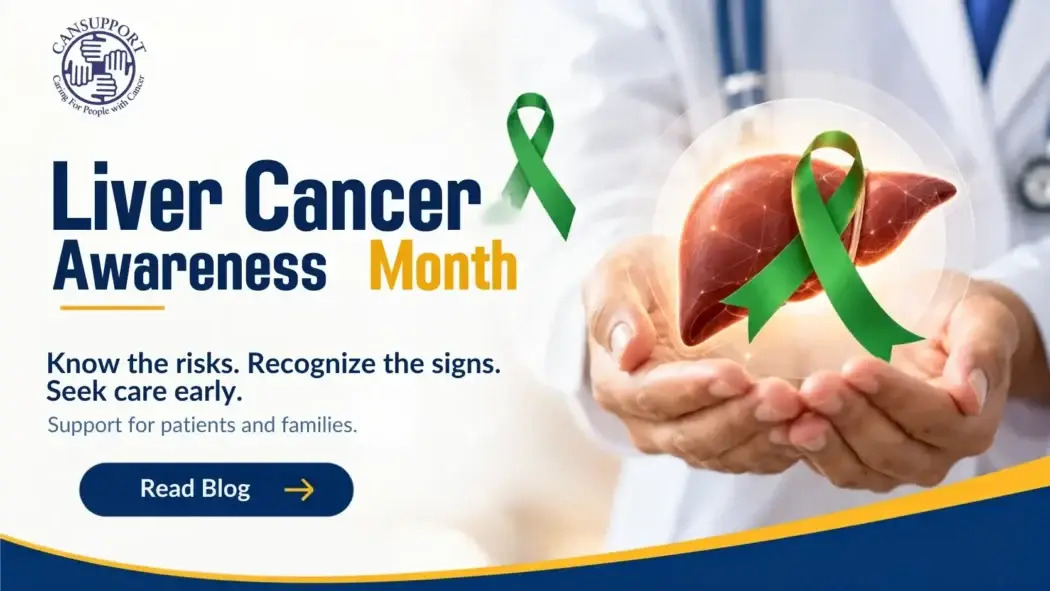
Liver Cancer Awareness Month is observed every October to draw attention to a cancer that usually grows quietly and is often found late. That silence is the whole problem. In one Indian tertiary-care study, roughly 62% of liver cancer patients were already at an advanced or end stage by the time they were diagnosed. If you live in Delhi or anywhere else in India, knowing what raises the risk, what the warning signs look like, and where support exists can change how early and how well a family responds.
Breast Cancer Awareness Month: Why October Matters More in India Than the Ribbons Suggest

Every October, the pink ribbons come out—on packaging, on social media, and on building facades lit up for the occasion. It’s easy to see Breast Cancer Awareness Month as something a little performative at this point, a month of symbolism more than substance. But underneath the ribbons sits a genuinely urgent statistic for India specifically: breast cancer is now the most commonly diagnosed cancer among Indian women, and for roughly every two women diagnosed, one doesn’t survive it. That ratio is far worse than it needs to be, and it’s almost entirely explained by one thing—how late the cancer gets caught.
How to Access Free Palliative Care in India: A State-by-State Guide
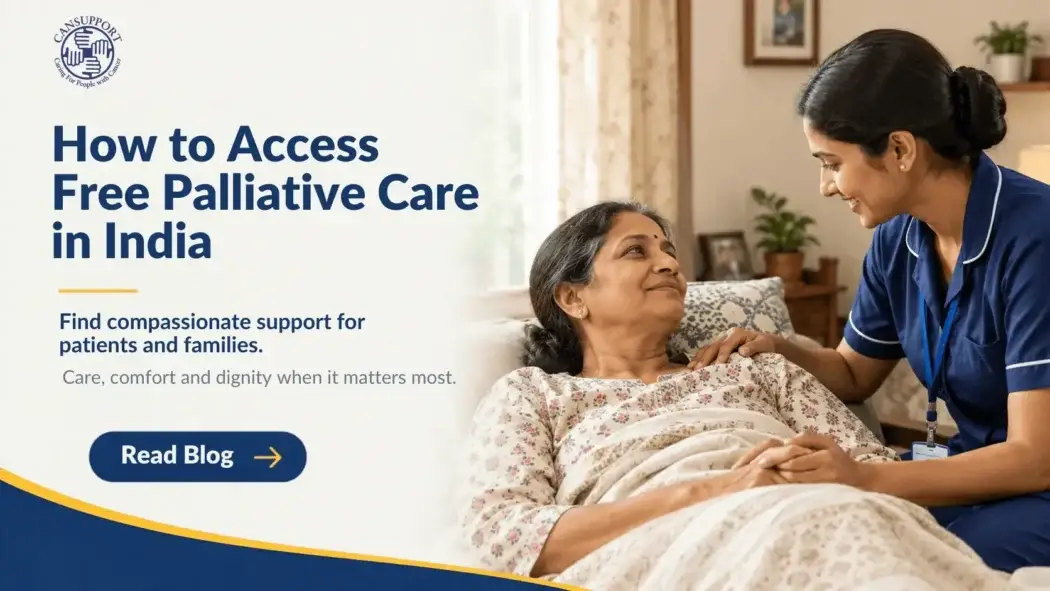
A serious diagnosis has a way of filling every hour with decisions: scans, treatment plans, hospital queues, and medicines. And somewhere in the middle of it, one question tends to get lost. Who helps with the pain, the fear, and the daily struggle of actually living with this illness? The answer may be closer than you think, because free palliative care in India exists, and it’s open to families right now.
Childhood Cancer Awareness Month: What Every Parent Should Know
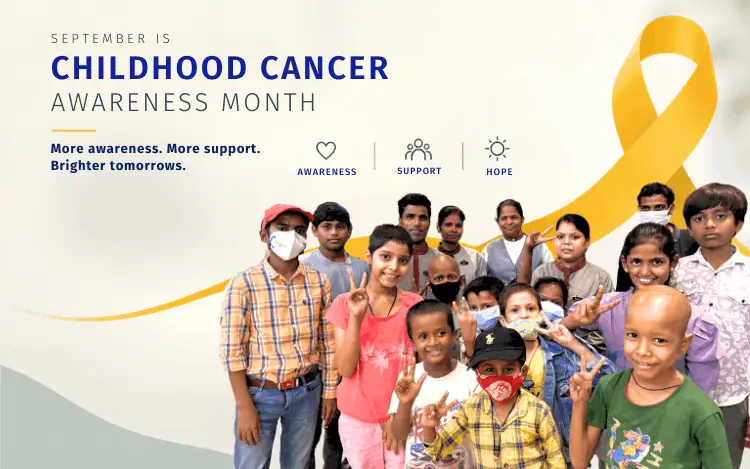
Every September, hospitals, patient groups, and cancer organizations around the world observe Childhood Cancer Awareness Month—a dedicated period to raise visibility for something that gets far less public attention than it deserves. There’s a particular kind of fear that comes with a child being unwell, a fear that gets so much sharper the moment the word “cancer” enters the conversation. It’s one of the hardest things a parent can face, made harder still by how differently cancer shows up in children compared to adults.
How Palliative Care Supports Both Patients and Caregivers ?

“Serious illness affects the whole household, not just the patient. Discover how a palliative care program supports both patients and caregivers—through pain management, counselling, and home visits from CanSupport.”
Blood Cancer Awareness Month: What It Is and Why It Matters in India
Every September, hospitals and patient groups around the world quietly make a point of talking about something that doesn’t usually come up otherwise: blood cancer. It’s a strange kind of invisibility. These cancers touch hundreds of thousands of lives a year, and yet you almost never hear about them the way you hear about breast cancer or lung cancer. In India, that silence costs something real.
How Much Does Palliative Care Cost in India?
Palliative care in India can cost anywhere from nothing to over ₹40,000 a day, depending entirely on where you get it. Private hospital-based palliative care is typically the most expensive option. Home-based palliative care through a private agency usually costs between ₹1,000 and ₹5,000 per visit. And home-based palliative care through a nonprofit like CanSupport is provided completely free of charge, funded through donations rather than patient fees.