

For the past three years, Aruna*, a 60-year-old woman had been living with a serious illness that had gradually changed the life she once knew. A homemaker, she had completed treatment at hospitals in Manchar, with support from government-funded scheme. As her condition progressed, curative treatment was eventually stopped on her oncologist’s advice. With her two daughters married off living separately with their families, Aruna resided with her husband, a retiree, and her only son, who had become her primary caregivers. They had gradually worked out how to manage her care and the household with the resources available to them amongst themselves.
Over time, Aruna’s world had become increasingly confined to her home. She rarely went outside and often compared herself with her friends, who she felt were still able to go out, meet people, and enjoy their lives. She had begun feeling embarrassed about her condition and had become plagued with pessimistic thoughts. The insertion of a urinary catheter during this period added another layer of restriction. She deeply valued her religious practices and yearned to visit the temple, but was unsure to do so with the supplementary medical device. She deemed it inappropriate and even feared that doing so might be sacrilegious. Therefore, something that had once brought her strength and comfort had sadly become difficult to pursue.
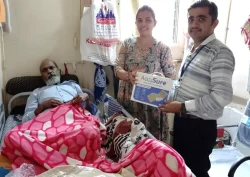
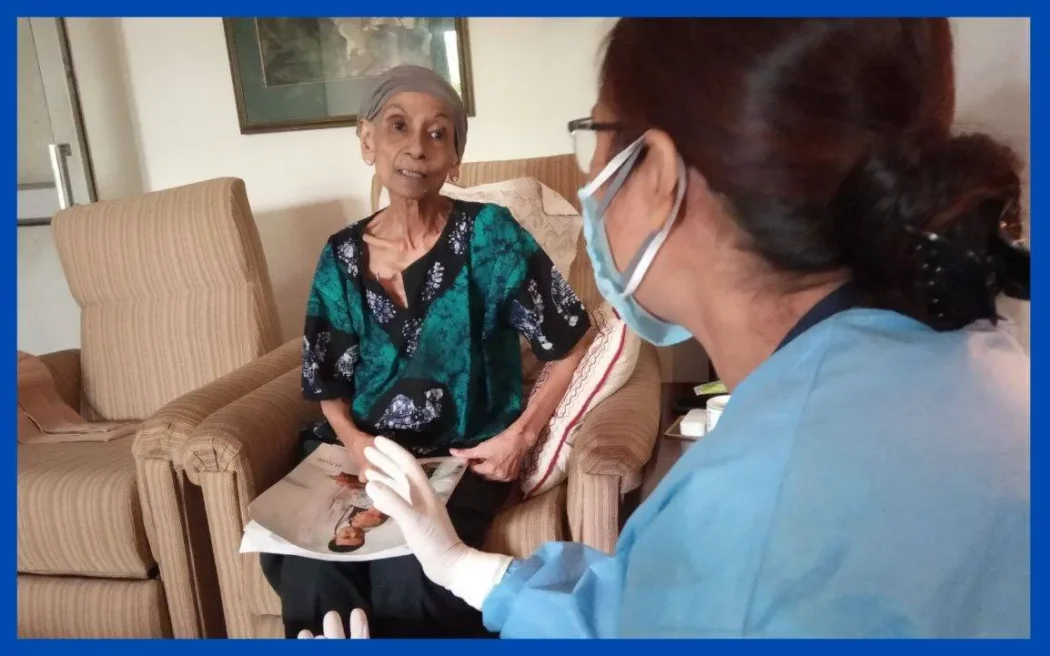
It was around this time, the CanSupport team first visited Aruna and her family. The doctor, nurse, and counsellor comprehended the circumstances as they interacted with her to learn about the person behind the illness.
They lent her eager ears to listen to her life story, her relationships, her friendships, what her routine used to be, and the things she missed. With regular visits and gentle conversations, Aruna began to open up. She began sharing about her fears, embarrassment, and the limitations she felt without hesitation. The counsellor encouraged her to talk about what she missed most and helped her explore ways of reconnecting with the activities that mattered to her. Rather than focusing only on what she could no longer do, conversations centred on what remained possible and meaningful. She was encouraged to look at her present circumstances with greater acceptance and to find ways to maintain a sense of normalcy and connection; the constraints notwithstanding.
Her concerns about visiting the temple were approached with equal sensitivity. Instead of dismissing her fears, the team listened and acknowledged how important her faith was to her. She was encouraged to continue her spiritual practices in ways that felt feasible such as offering prayers at home, chanting and meditating by reciting spiritually empowering mantras. This simple reassurance brought her visible relief. She was happy to realise that although her circumstances had changed, her connection with her faith did not have to end.
The team also paid attention to the family as they also needed support. Her husband and son found the demands of caring for her difficult to manage at times, so they were motivated to share responsibilities and take adequate rest to not overexert. The option of short-term respite care at Cipla Palliative Care Centre was also discussed should the family require temporary support.
The family was, however, clear that they were not ready to disclose her diagnosis to Aruna. Their wishes were respected, and the team explored the family’s concerns around this while continuing to provide emotional support within the patient’s existing understanding of her illness. Her care remained focused on her comfort, emotional wellbeing, and quality of life.
The family was urged to gradually take her outside, depending on her physical comfort, to a nearby garden, temple or the homes of relatives. They felt the value in the suggestion and with that, slowly, the four walls that had come to define her daily life began to open up again.
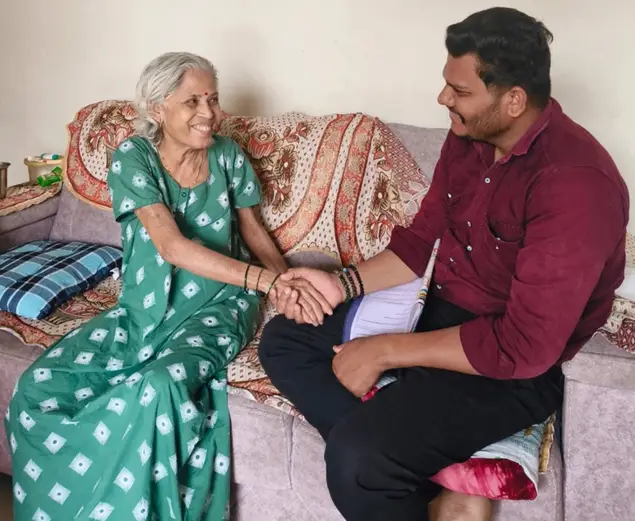
Since then, the change is visible. Aruna speaks freely with the CanSupport team, enjoys informal conversations during visits and is more comfortable expressing her thoughts and feelings. She has started going out with her family, meeting close relatives, and spending time in places she enjoys. The family has even shared happy moments with the team during these outings, creating memories that once seemed unlikely.
Her negative thoughts have reduced, and she has begun showing greater interest in the simple activities that bring her happiness and peace. Her family, too, feels more comfortable and supported during the visits.
Alongside counselling and emotional support, the doctor and nursing team continue to address her physical needs through symptom and pain management, dressing care, medication guidance and other measures.
Through regular home visits, compassionate conversations and counselling, she has moved from spending most of her days isolated at home to being out in the world again, reconnecting with loved ones, enjoying simple moments, and continuing practices dear to her in a way that feels right for her.
The shift sheds light upon the essence of palliative care, viz., when we cannot always change the course of an illness, we can still help change how a person experiences each day.
Aruna’s illness has not disappeared. But her world has surely become a little bigger.
*Disclaimer: The patient’s name and certain identifying details have been altered to protect the privacy and dignity of the patient and her family.