

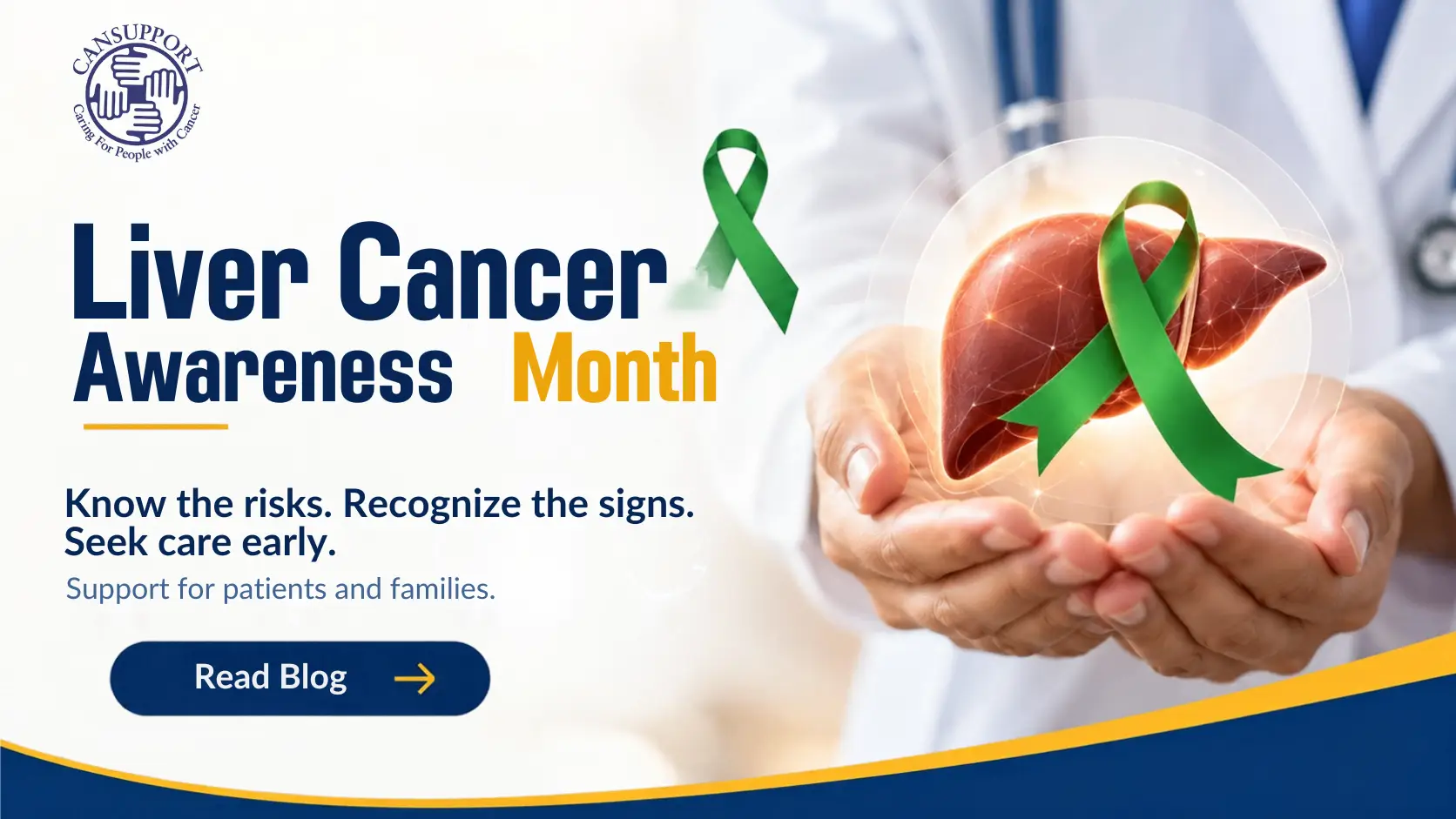
Liver Cancer Awareness Month is observed every October to draw attention to a cancer that usually grows quietly and is often found late. That silence is the whole problem. In one Indian tertiary-care study, roughly 62% of liver cancer patients were already at an advanced or end stage by the time they were diagnosed. If you live in Delhi or anywhere else in India, knowing what raises the risk, what the warning signs look like, and where support exists can change how early and how well a family responds.
This piece walks through what Liver Cancer Awareness Month is really about, why the liver hides its own illness so well, how the causes are shifting across India, and what to actually do with all of it.
What Liver Cancer Awareness Month Actually Is
Every October, patient groups, liver specialists, and cancer organizations around the world mark the month, with green as the color most associated with the cause. It shares the calendar with Breast Cancer Awareness Month, which is one reason it tends to get less attention than it deserves. Liver cancer is the sixth most common cancer worldwide and the third leading cause of cancer death.
Most of what you’ll find online about this month is built around American numbers. Indian families deserve a version built around Indian causes and Indian realities.
Why the Liver Hides Its Own Illness
The liver has a huge reserve capacity. It can keep doing its job, more or less quietly, while a good part of it is damaged. That’s exactly why liver cancer so often produces no symptoms until it’s advanced. By the time someone notices exhaustion, swelling, or pain, the disease may already have moved on.
There’s another layer that matters in India, and it’s one reason Liver Cancer Awareness Month matters here. An Indian review found that around 80% of hepatocellular carcinoma (HCC), the most common form of liver cancer, occurs against a background of cirrhosis. So liver cancer usually isn’t a bolt from the blue. It tends to grow in a liver that has been under strain for years, which is also what makes it partly preventable and, for people already known to be at risk, partly catchable early.
Unlike breast or cervical cancer, there’s no routine, population-wide screening program for liver cancer. Screening is aimed at people already known to be at high risk, which means many people simply never get looked at.
The Changing Picture of Liver Cancer in India
For decades, hepatitis B and C were treated as the main drivers of liver cancer across Asia. That picture is changing. A meta-analysis of Indian studies still found viral hepatitis to be the most common cause overall, with hepatitis B markers in about 41% of HCC cases and hepatitis C in about 20%. But alcohol accounted for roughly 19% and fatty liver disease for roughly 17%. A 2024 review notes that hepatitis B–related liver cancer is on a downtrend while cases linked to alcohol and metabolic fatty liver disease are rising.
Delhi’s own data shows the shift clearly. A report from the Institute of Liver and Biliary Sciences (ILBS) in New Delhi listed fatty liver disease as the most common cause at 35.5%, followed by hepatitis B (21.2%), hepatitis C (18%), and alcohol (13.9%).
The exact mix varies by hospital, region, and study, and that’s the point. The causes are moving. Liver cancer is no longer only a “hepatitis” story. It’s increasingly a lifestyle-and-metabolism story too.
Who Is at Higher Risk
Several conditions raise the odds of developing liver cancer:
- Chronic hepatitis B or hepatitis C infection (viral hepatitis causes roughly 80% of liver cancers worldwide)
- Cirrhosis, whatever its cause
- Heavy or long-term alcohol use
- Fatty liver disease, especially alongside obesity or other metabolic conditions
If any of these describe you or someone in your family, this month is a good prompt to talk to a doctor before symptoms appear.
Warning Signs and Why They’re Easy to Miss
When symptoms do appear, they tend to be vague:
- Unexplained weight loss or loss of appetite
- Feeling full after eating very little
- Pain or discomfort in the upper right side of the abdomen
- Swelling or bloating in the abdomen
- Yellowing of the skin or eyes
- Persistent fatigue or nausea
Having any of these does not automatically mean liver cancer. Most of the time, it doesn’t. But in someone with hepatitis, cirrhosis, or heavy alcohol use, persistent symptoms deserve prompt attention, not a wait-and-see approach.
Prevention and Early Detection: What Actually Works
A few things make a real difference, and most of them happen long before any cancer appears. Liver Cancer Awareness Month is a good moment to act on them.
Prevent or treat viral hepatitis. The hepatitis B vaccine prevents the infection that drives many liver cancers, and hepatitis C can now be cured with antiviral treatment.
Look after your liver day to day. Limiting alcohol and managing weight and metabolic health reduce the strain that leads to fatty liver and cirrhosis.
Get surveillance if you’re high-risk. In one study of patients with chronic liver disease under regular surveillance, 87% were diagnosed at a very early or early stage. Ask a hepatologist what monitoring schedule suits you; it usually involves an ultrasound, sometimes with a blood test, at regular intervals.
Early detection matters because the gap is stark. Five-year survival for liver cancer is under 20% in most published estimates, largely because so many cases are found late.
When It’s Found Late: Where Palliative Care Fits
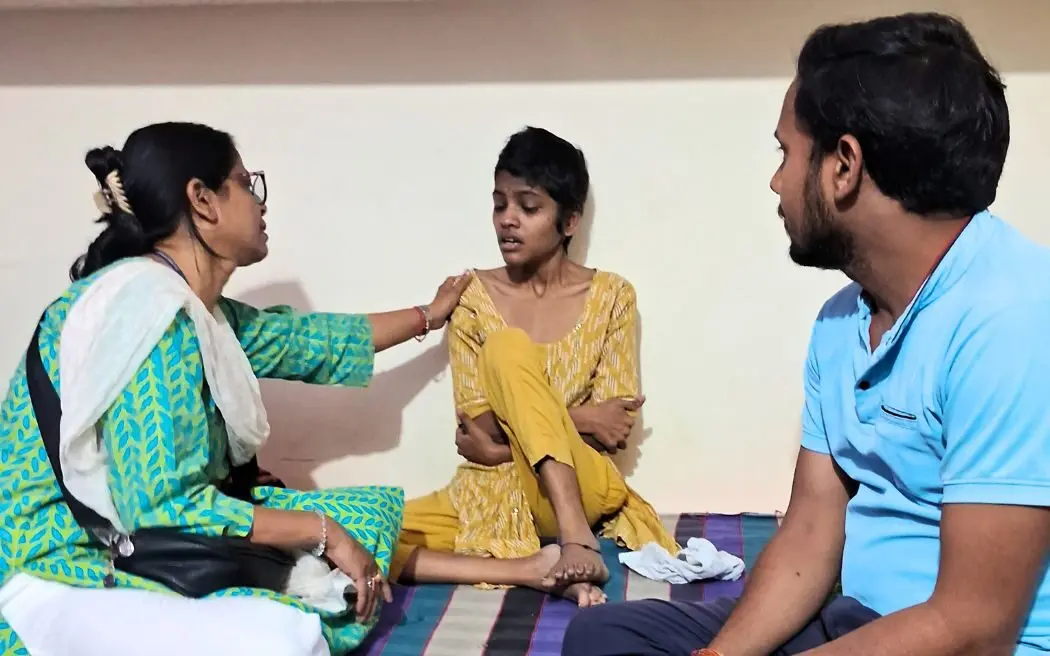
Sometimes liver cancer is found after it has advanced. Cure may no longer be the realistic goal, but comfort, dignity, and quality of life still matter enormously. Pain, abdominal swelling, nausea, and exhaustion can all be managed, and that’s exactly what palliative care is for. It runs alongside medical treatment and supports the family as much as the patient.
At CanSupport, a cancer NGO in Delhi, home-based palliative care teams of doctors, nurses, and counselors visit patients across Delhi NCR to manage pain and symptoms, guide family caregivers, and offer emotional support, all free of charge. For a family dealing with a late liver cancer diagnosis, that kind of steady help at home can make the hardest weeks more bearable.
What You Can Do This October
This Liver Cancer Awareness Month, a few small steps are worth taking:
- Ask your doctor whether you’ve been vaccinated against hepatitis B or need testing for hepatitis B and C.
- If you have chronic hepatitis, cirrhosis, or fatty liver disease, ask about regular liver surveillance.
- Take alcohol intake and weight seriously, even when you feel fine.
- Share accurate information with family instead of forwarding whatever cure is doing the rounds on WhatsApp.
- If someone close to you is already diagnosed, don’t wait to ask for support. Reach out early.
Frequently Asked Questions
When is Liver Cancer Awareness Month observed?
Every October, globally and in India, to raise awareness of liver cancer, its risk factors, and the importance of early detection.
What is the most common type of liver cancer?
Hepatocellular carcinoma (HCC) is the most common type of primary liver cancer, meaning cancer that starts in the liver itself.
What causes liver cancer in India?
Viral hepatitis B and C remain major causes, but alcohol-related liver disease and fatty liver disease are rising. Most cases occur on a background of cirrhosis.
Does liver cancer have early symptoms?
Often it doesn’t. Symptoms such as weight loss, abdominal pain or swelling, and yellowing of the skin usually appear late, which is why surveillance matters for people at high risk.
Can liver cancer be prevented?
Partly. Hepatitis B vaccination, treating hepatitis C, limiting alcohol, and managing weight all lower the risk, and regular surveillance can catch cancer earlier in high-risk people.
Is palliative care available for liver cancer patients in Delhi?
Yes. CanSupport, a cancer NGO in Delhi, provides free home-based palliative care, including pain and symptom management, caregiver guidance, and counselling, across Delhi NCR.