

What Is MDS Cancer Awareness Month?
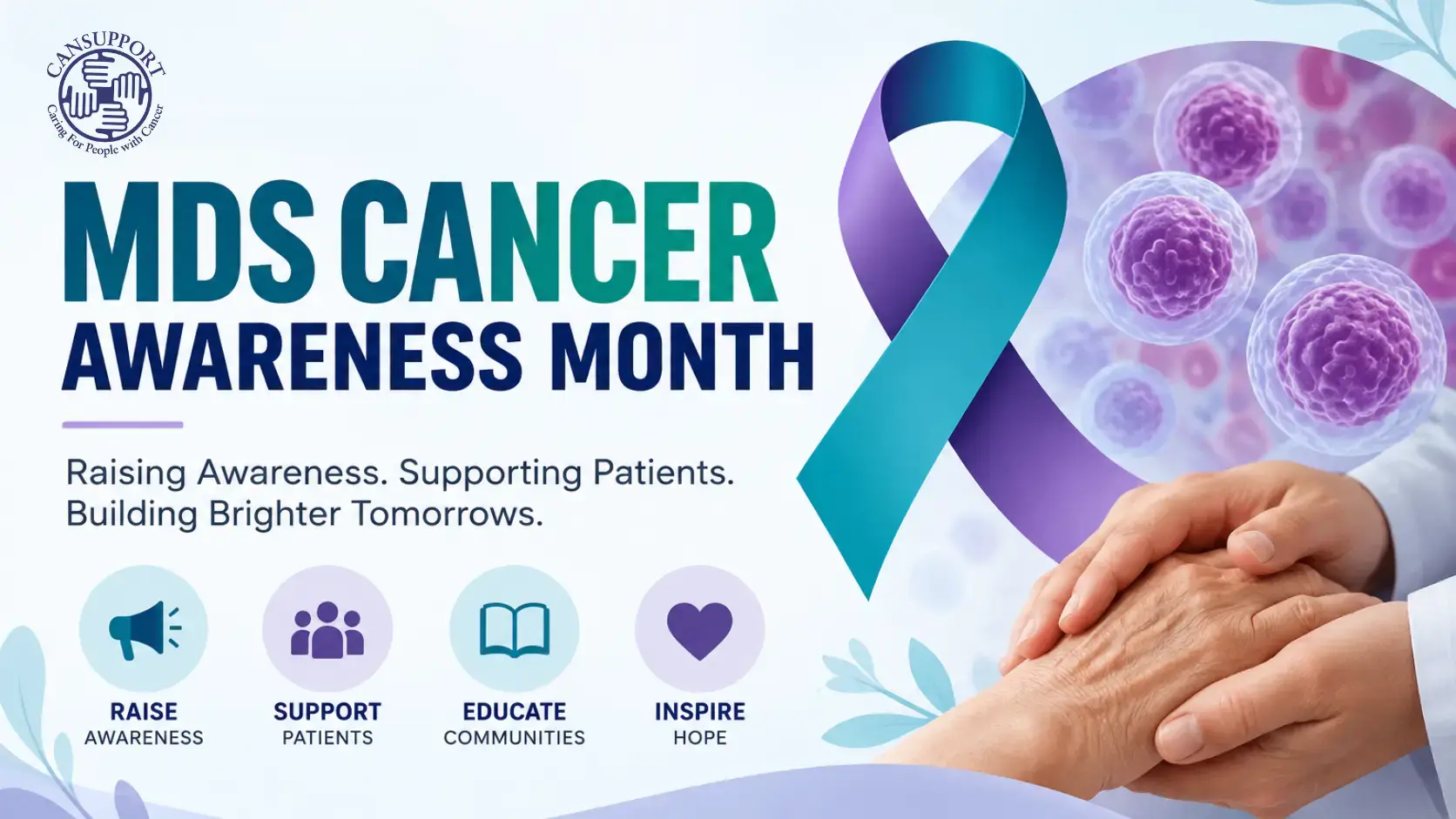
Because people search for it as “MDS cancer awareness month,” it helps to be clear about what the observance actually is. MDS is recognized in two places on the calendar. In September, Blood Cancer Awareness Month puts leukemia, lymphoma, myeloma, and related conditions in the spotlight. Then on 25 October, MDS World Awareness Day, led by the MDS Alliance, a network of more than 40 patient groups worldwide, focuses on MDS itself. The campaigns are refreshingly practical. Recent themes have included “MDS: Know Your Options” and the role patient organizations play in supporting patients and caregivers. The symptom messaging centers on four everyday signs (bruising, fatigue, breathlessness, and weakness) and one simple action: get a blood test with a full blood count.What Are Myelodysplastic Syndromes?
MDS is a group of bone marrow failure disorders. The marrow is the factory that makes red cells, white cells, and platelets, and in MDS it turns out to be abnormal, poorly working cells. There are many types. Some stay mild for years, while others become serious. For some patients, MDS progresses to acute myeloid leukemia (AML), a fast-growing blood cancer. Worldwide, roughly 87,000 people are diagnosed with MDS each year, and around 85% already have anemia by the time they’re diagnosed. For most people, no cause is ever found. In some cases, earlier chemotherapy or radiation, or exposure to toxic chemicals, plays a role.Why MDS Looks Different in India
In Europe, MDS is mainly a disease of older adults, with a median age at diagnosis between 65 and 74. Indian data tell a different story. A cohort of 936 patients from a South Indian tertiary center had a median age of 53, and several other Indian studies report medians in the mid-50s, with one as low as 42. Researchers describe Indian patients as about a decade younger than their Western counterparts. They also tend to present with harder-to-treat disease. These studies found higher rates of poor-prognosis chromosomal changes and a larger share of patients in high- or very-high-risk categories, with a greater likelihood of transformation to leukemia. Why this happens is still unclear. Some researchers have speculated that environmental exposures such as solvents, pesticides, radiation, and pollution may contribute, but that remains a hypothesis, not a proven cause. Indian data are also limited. One hospital-based study from Eastern India reported a median overall survival of about 1.7 years and called for larger prospective research. For families, the takeaway is simple: MDS is not only a disease of grandparents. That’s exactly why MDS cancer awareness month deserves attention in India.Symptoms Worth Noticing
MDS symptoms come from low blood counts, and they’re easy to mistake for ordinary tiredness:- Persistent fatigue that rest doesn’t fix
- Breathlessness on mild exertion
- General weakness
- Easy bruising or bleeding
- Pale skin
- Frequent infections
How MDS Is Diagnosed
Diagnosis usually starts with that full blood count. If it shows persistently low counts or abnormal cells, a hematologist typically arranges a bone marrow examination along with tests for chromosomal changes. Those findings feed into a risk scoring system (IPSS-R is the one commonly used in Indian studies), which helps show how aggressive the disease is and which approach makes sense.Treatment at a Glance
Treatment depends on risk. Lower-risk MDS may need careful monitoring and supportive care, including blood transfusions when anemia becomes symptomatic. Higher-risk disease may call for medicines that slow the disease, and for eligible patients, a stem cell transplant remains the only treatment with the potential to cure. Your hematologist will tailor the plan. The aims are to control symptoms, protect quality of life, and reduce the risk of progression.Questions to Ask Your Hematologist
Appointments move fast, so it helps to arrive with questions ready:- Which type of MDS do I have, and what is my risk category?
- How often will my blood counts be checked?
- Is a stem cell transplant an option for me, and when would we decide?
- What should I do if I feel unwell between visits?
- Who can help with the emotional and practical strain on my family?
Living With MDS: Where Palliative Care Fits
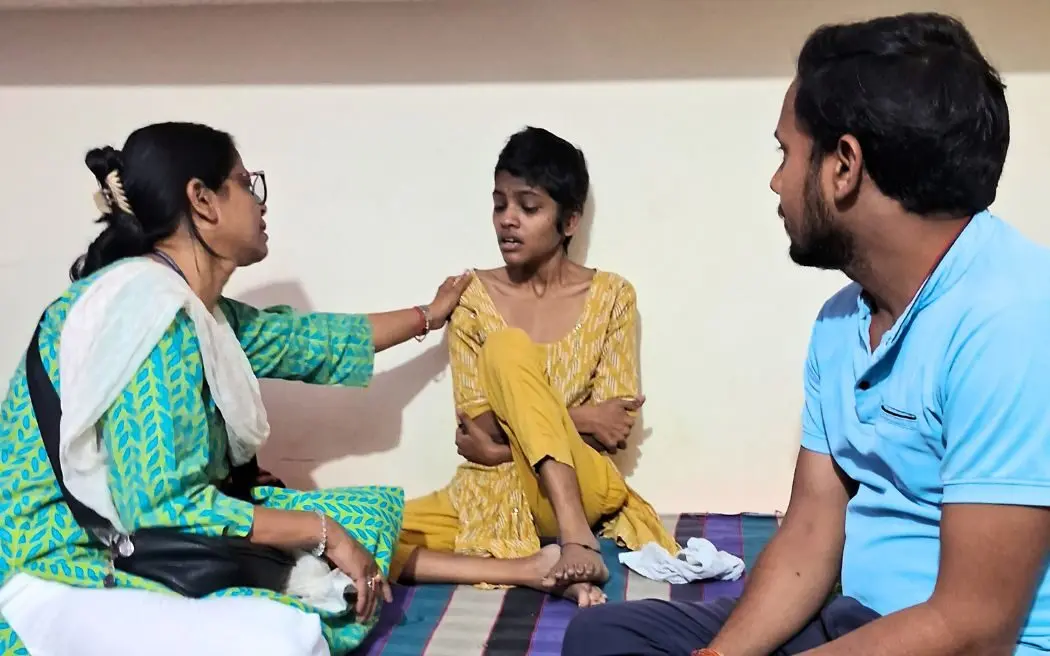
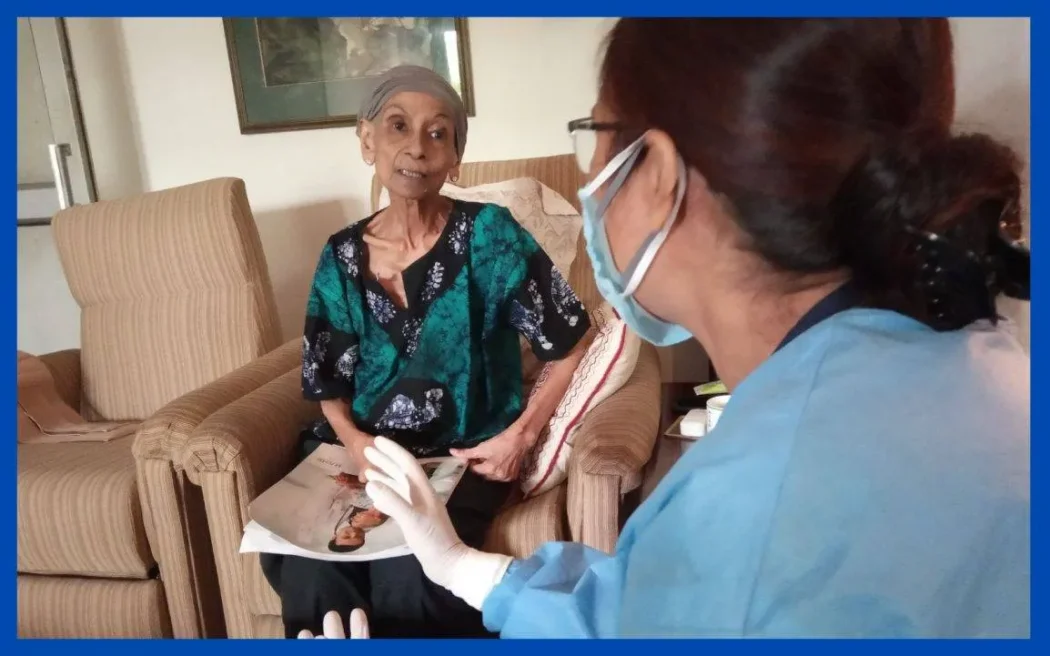
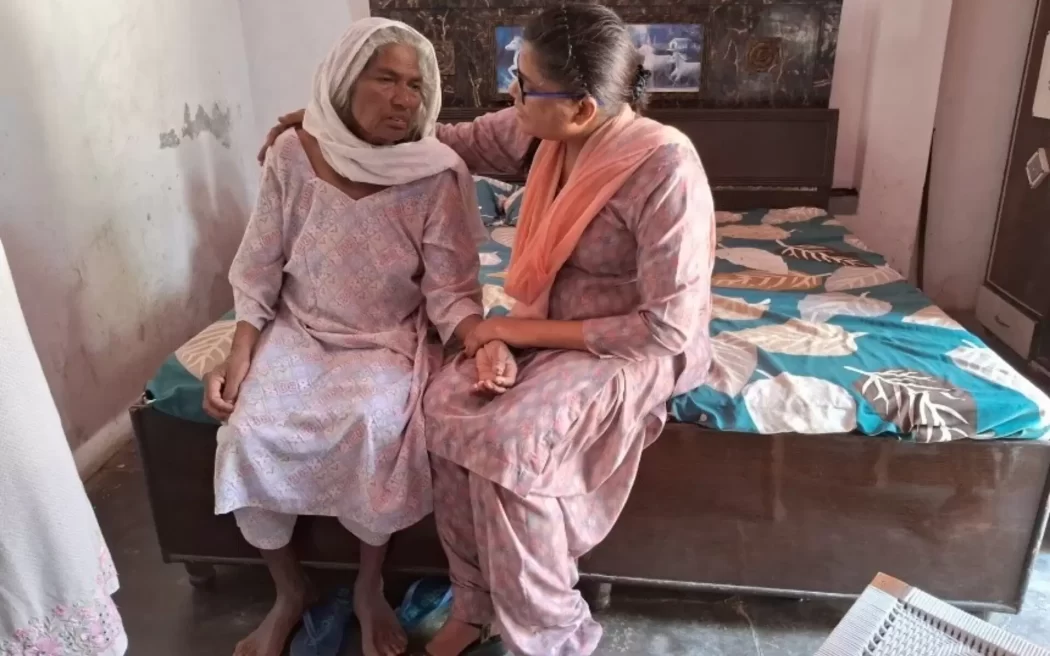
MDS can mean months or years of transfusions, fatigue, and worry about what comes next. Palliative care isn’t only for the end of life. It runs alongside treatment, helping with symptoms, treatment side effects, and the emotional weight on patients and caregivers. Caregivers carry a lot here too. Regular transfusion visits, watching for infections, and living with uncertainty can wear a family down long before anyone says so out loud. Counselling and practical guidance for the person beside the patient are part of good care, not extras. At CanSupport, a cancer NGO in Delhi, home-based palliative care teams of doctors, nurses, and counselors support cancer patients across Delhi NCR, including people living with blood cancers. They offer symptom management, caregiver guidance, and counselling, all free of charge.What You Can Do This MDS Cancer Awareness Month
This MDS cancer awareness month, a few practical steps are worth taking:- Learn the four key symptoms and share them, especially with family members who dismiss constant tiredness.
- Ask for a full blood count if fatigue, bruising, or breathlessness persists without explanation.
- If you’re a patient or caregiver, ask your hematologist about your risk category and what to expect.
- Consider registering as a stem cell or bone marrow donor. Matched donors save lives.
- Support patient organizations that help families through diagnosis and treatment.
Frequently Asked Questions
Is MDS a type of cancer?
Yes. MDS is classified as a group of rare blood cancers in which the bone marrow doesn’t make enough healthy blood cells. Some types stay mild for years while others progress.
When is MDS cancer awareness month?
There isn’t a single official month. MDS is recognized during Blood Cancer Awareness Month in September and on MDS World Awareness Day, 25 October.
Why do Indian MDS patients tend to be younger?
Indian studies report a median age around 53 to 55, roughly a decade younger than Western patients. The reasons aren’t settled. Environmental exposures have been proposed but not proven.
What are the early symptoms of MDS?
Fatigue, breathlessness, weakness, and easy bruising or bleeding are the most common, along with pale skin and frequent infections. A full blood count is the first step towards diagnosis.
Is palliative care available for blood cancer patients in Delhi?
Yes. CanSupport, a cancer NGO in Delhi, offers free home-based palliative care across Delhi NCR, including symptom management, caregiver support, and counselling.