

Introduction
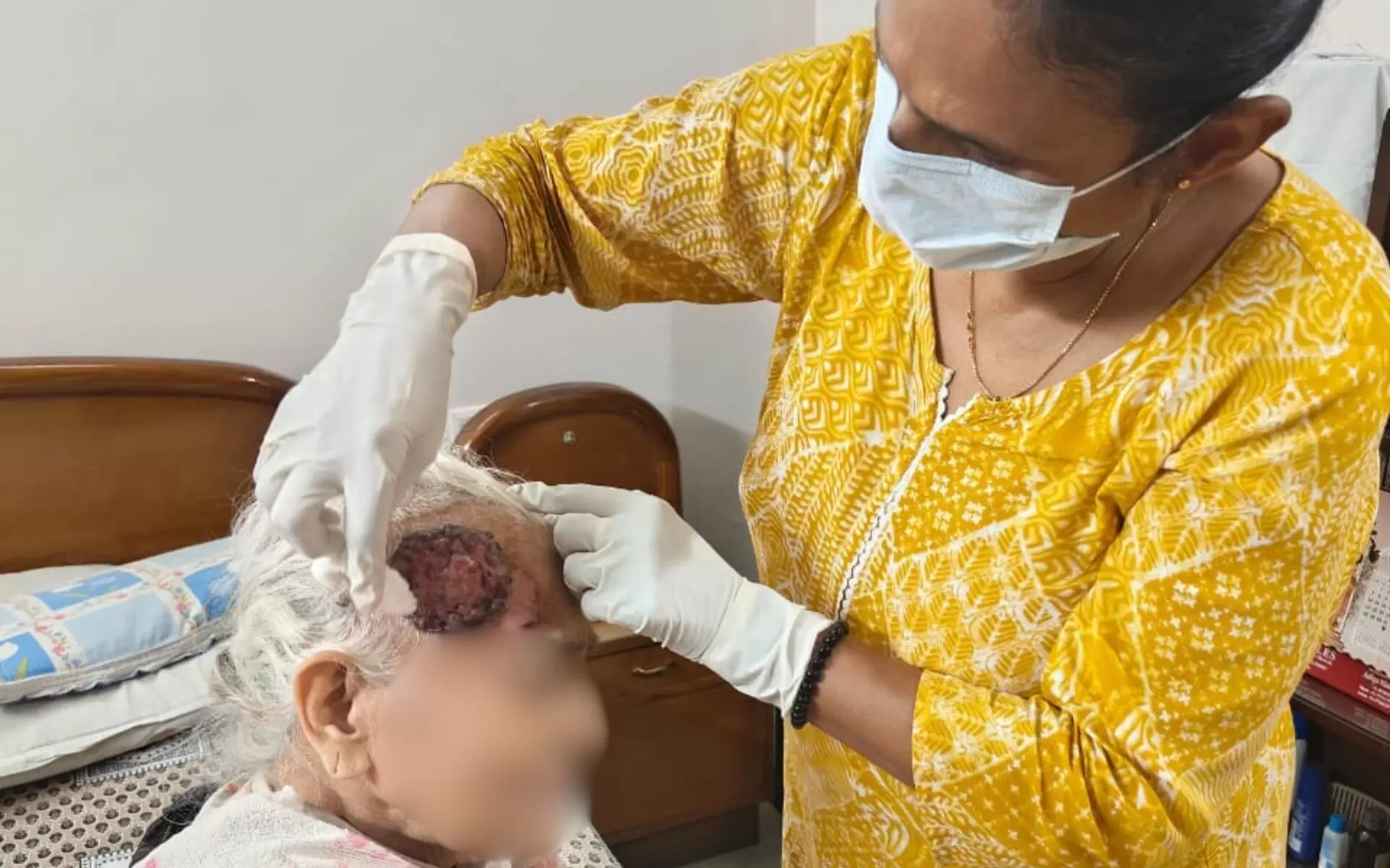
A fungating wound, also referred to as an ulcerating cancer wound or fungating tumor, is a distressing manifestation of advanced cancer. These wounds result from cancerous cells infiltrating and breaking through the skin, often creating ulcerative, necrotic, and malodorous lesions. “management of malignant fungating wounds in cancer patients” They are commonly associated with breast cancer, head and neck cancers, and cutaneous malignancies. Their presence significantly impacts the physical, psychological, and emotional well-being of both patients and caregivers These wounds result when tumors break through the skin, forming open, cauliflower-like lesions with symptoms such as:
- Foul odor
- Persistent discharge
- Pain
- Bleeding
- Infection
They significantly impact the quality of life for patients and caregivers.
Causes of Fungating Wounds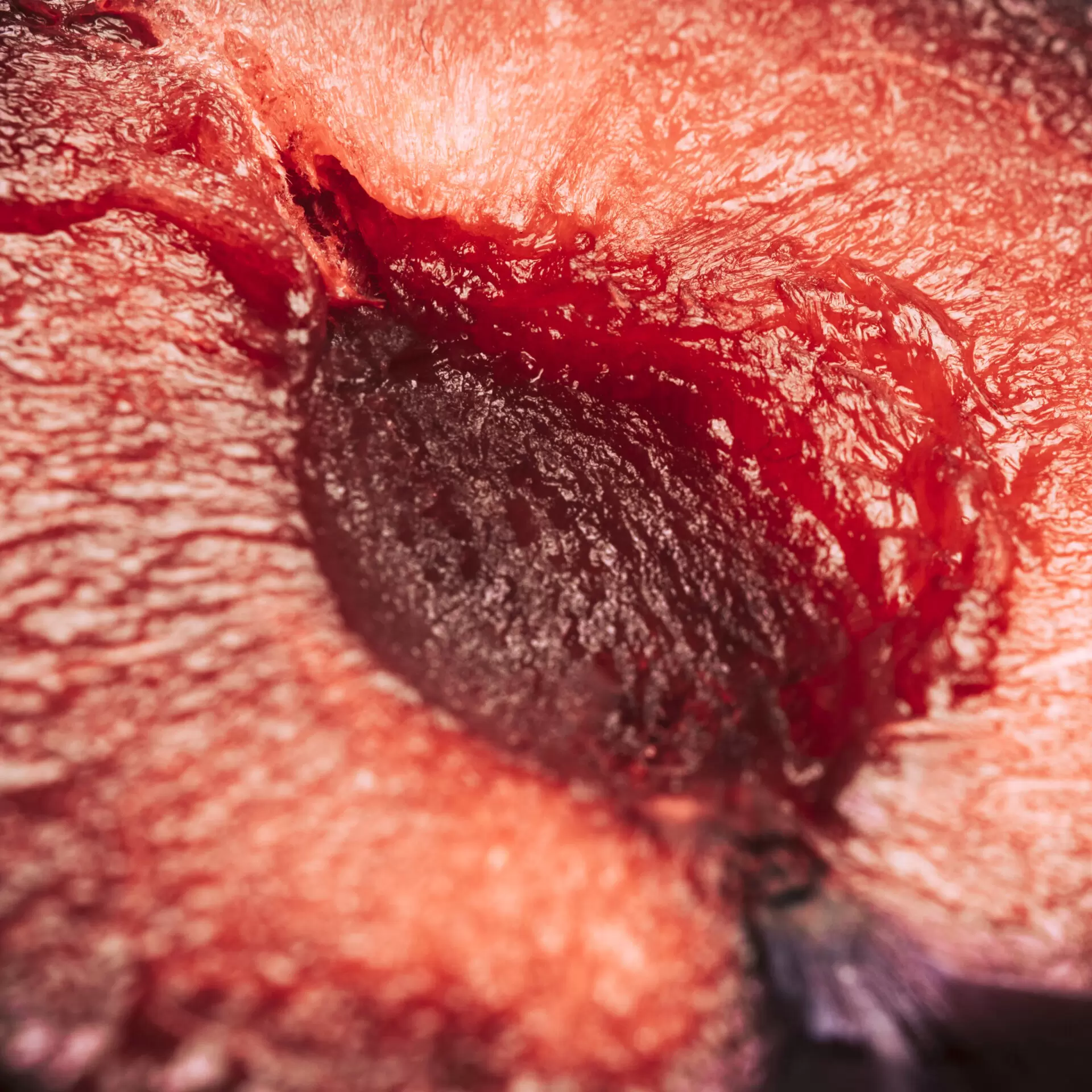
- Tumor Ulceration: Skin/tissue breakdown from tumor expansion.
- Radiation Therapy: Delayed healing, burns.
- Surgical Complications: Poor post-op healing.
- Infection: Due to cancer-related immunosuppression.
Home-Based Nursing Management
-
Wound Cleansing
- Use normal saline or neem water.
- Gently clean daily to reduce bacterial load.
-
Conservative Debridement
- Remove loose, necrotic tissue carefully.
- Avoid aggressive debridement (causes pain/bleeding).
-
Systemic Antibiotics
- Prescribed for:
Excessive exudate
Foul odor
Redness, swelling, or warmth - Always under physician supervision.
Symptom-Specific Strategies
Malodor
- Topical Metronidazole: Crushed tablet or gel.
- Honey-based or charcoal dressings.
- Newspaper dressing or keep charcoal in the plate under the bed for odor absorption.
Infection
- Clean with saline/neem water.
- Apply Metrogyl powder, irrigate if needed.
- Use systemic antibiotics when indicated.
Bleeding
- Soften dressing with saline or shower pre-change.
- Apply gentle pressure with gauze.
- Use Tranexamic Acid (topical or oral, 500 mg–1 g TID).
- Sucralfate powder form, can help control bleeding in cancer wounds by forming a protective barrier over ulcerated or damaged areas
Exudate
- Use polyurethane foam, alginate, or non-adherent pads.
- Low-cost: newspaper dressings.
Pain
- Pre-medicate with oral analgesics.
- Apply Xylocaine jelly.
- Use stronger pain meds if needed (under supervision).
Avoid
- Aggressive debridement – worsens trauma.
- Hydrogen peroxide – delays healing.
- Prolonged povidone-iodine use – toxic to tissue.
Conclusion
Malignant fungating wounds present a complex nursing challenge, especially in the home care setting. While curative treatment may not be possible, nursing interventions focused on symptom management, dignity, and comfort can significantly improve quality of life. Compassionate, consistent care—rooted in evidence-based practice—can help patients and their families navigate this difficult journey with grace and support.