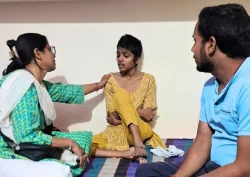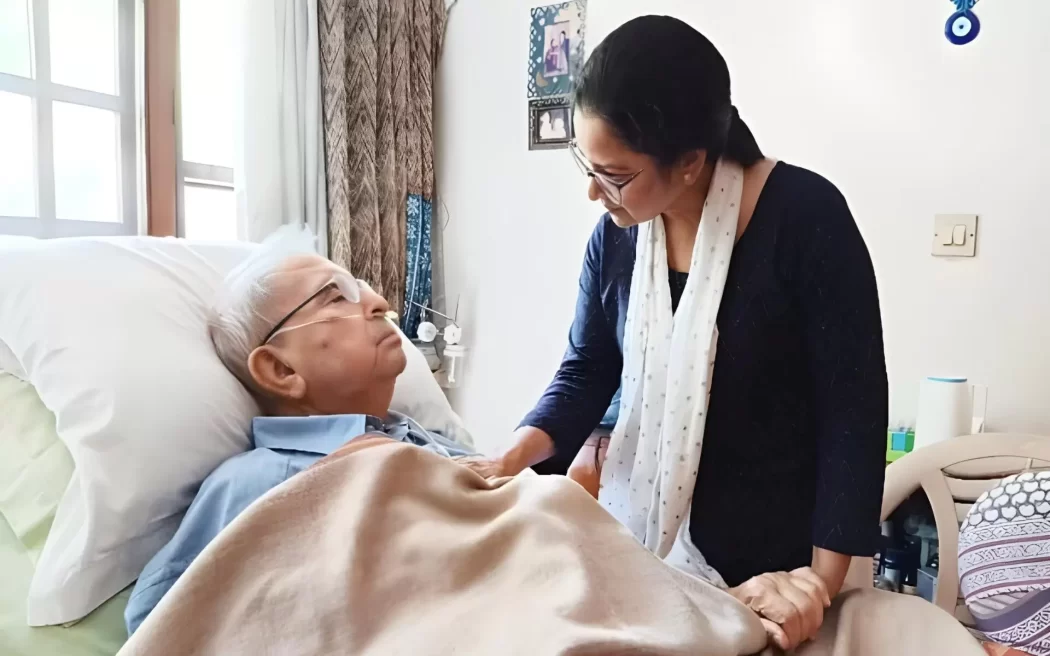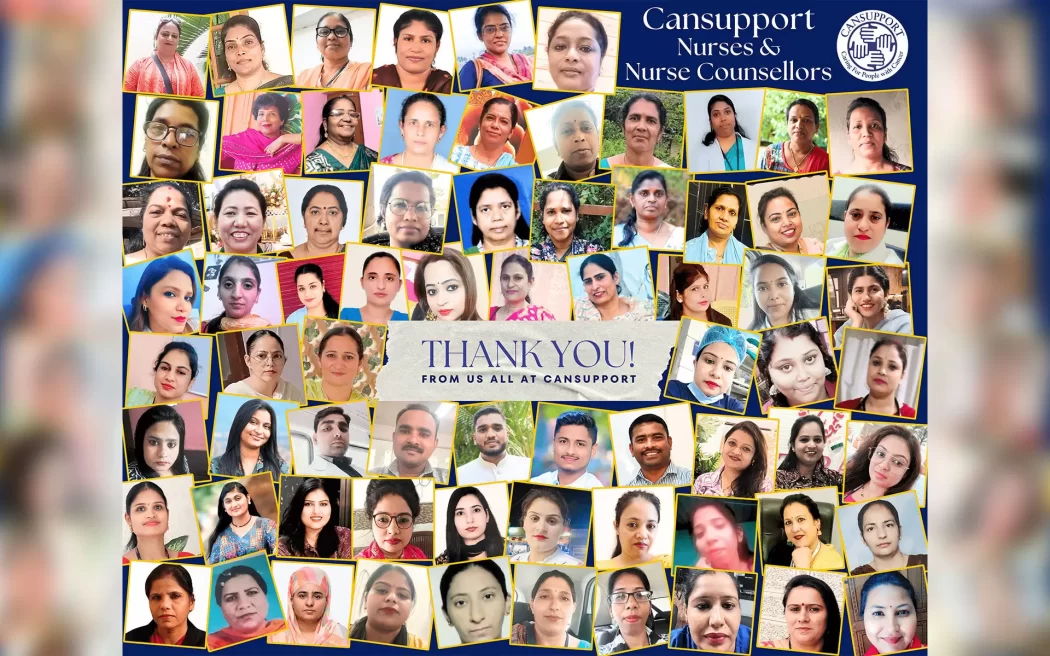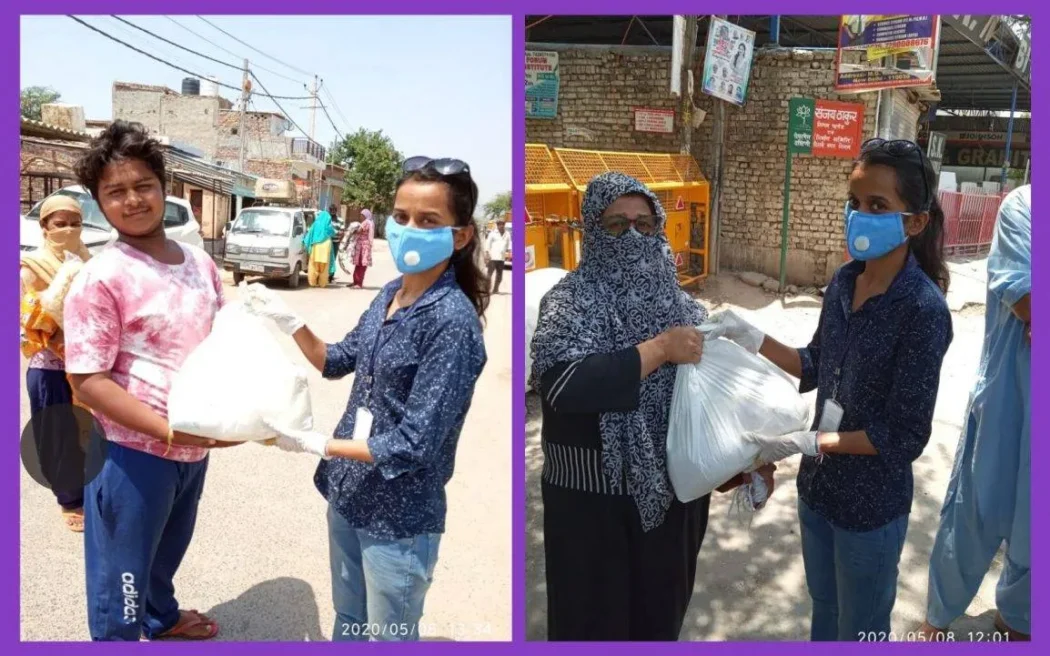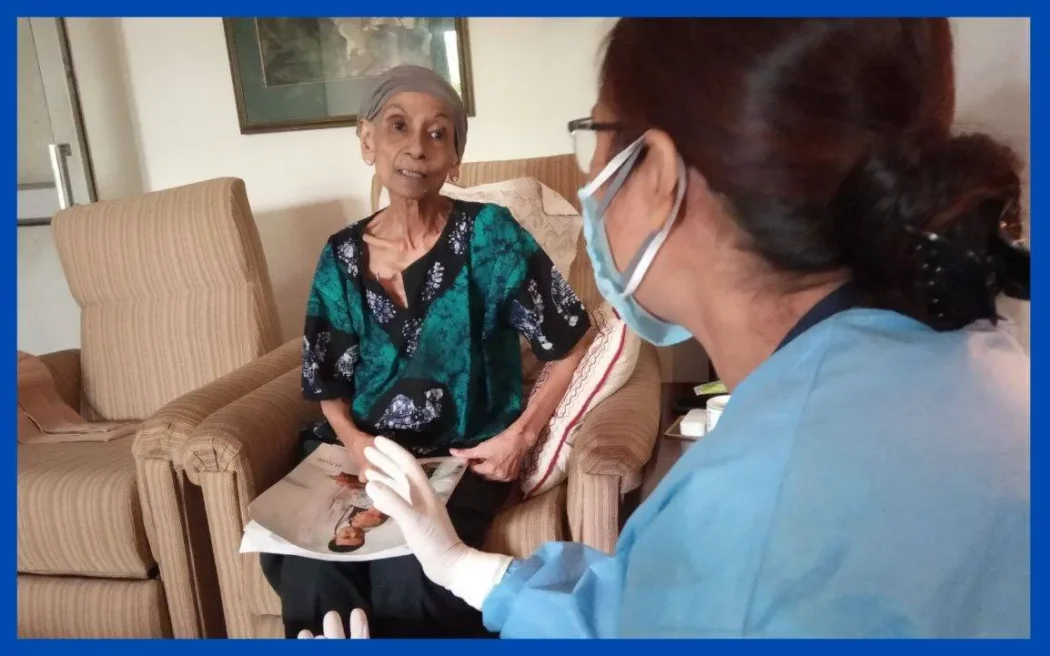


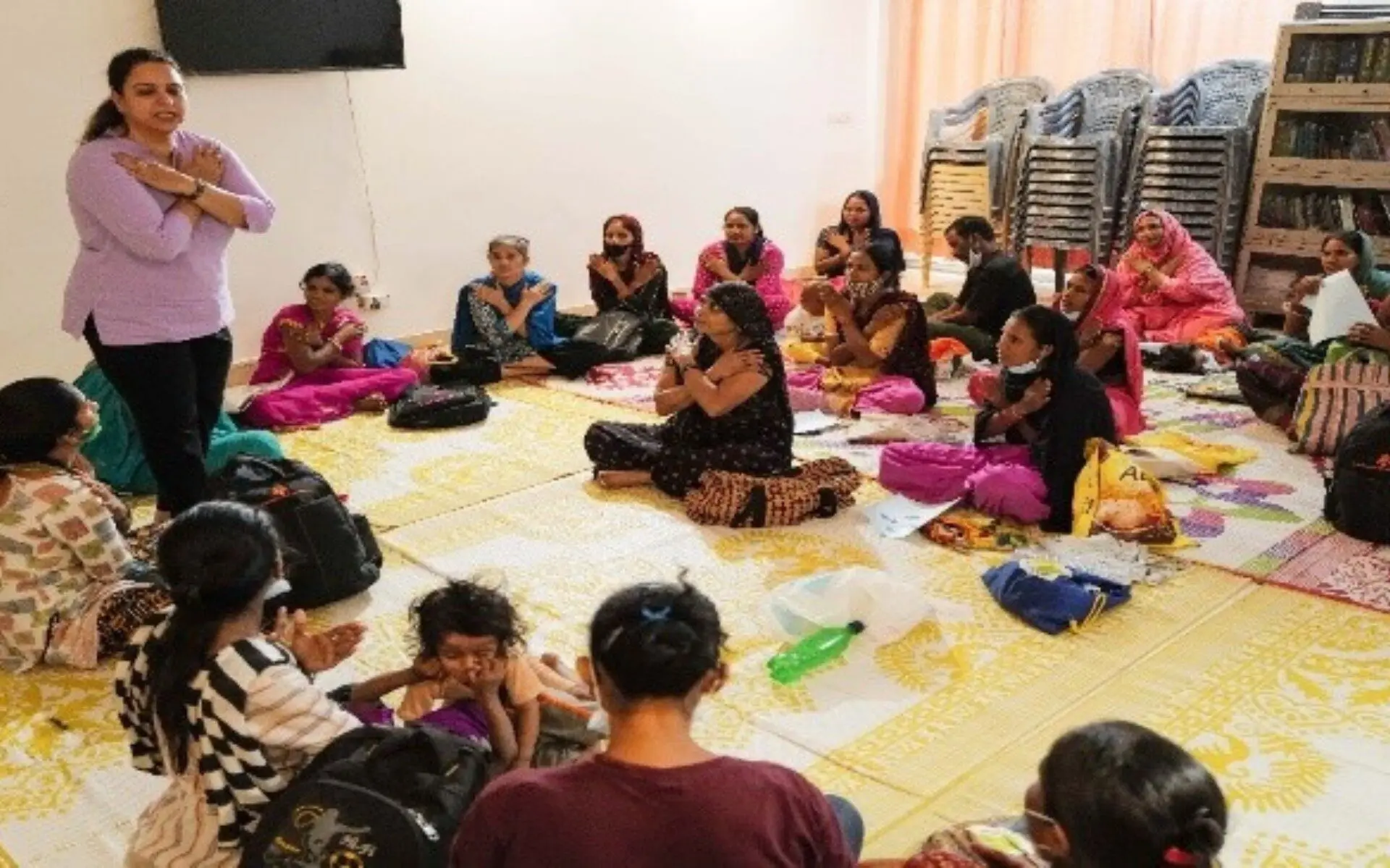
Cancer patient support program initiatives are transforming how healthcare organizations deliver dignity, access, and accountability across India. When designed with transparency and purpose, such programs become more than service models — they become structured systems of hope.
In today’s impact-driven ecosystem, donors, corporates, and institutions seek programs that demonstrate measurable outcomes. A strong cancer patient support program meets this expectation by combining compassionate delivery with clear reporting and governance.
This article explains how such programs work, why they matter, and how they create sustainable healthcare impact.
Why a Cancer Patient Support Program Matters in India
India’s healthcare burden extends beyond medical infrastructure. Families often face emotional, financial, and systemic challenges during long treatment journeys.
A structured cancer patient support program addresses these gaps by offering continuity of care rather than fragmented assistance. This approach improves not only clinical outcomes but also patient confidence and family stability.
When organizations embed support systems into care delivery, the healthcare experience becomes holistic instead of transactional.
What Makes an Effective Cancer Patient Support Program
A well-designed cancer patient support program is built on clarity, consistency, and accountability. Its effectiveness depends on structured service delivery and measurable outcomes.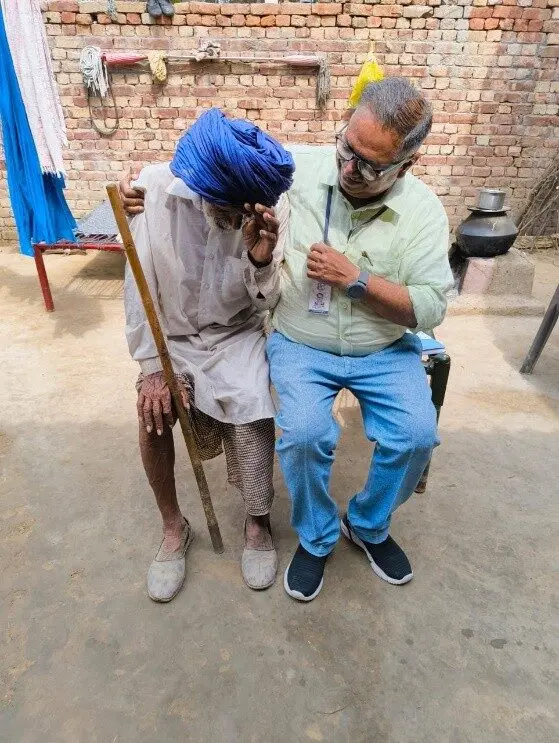
Core components often include:
-
Navigation assistance across hospitals and services
-
Emotional and psychosocial counseling
-
Symptom management and supportive therapies
-
Family education and caregiver guidance
These elements ensure that care is continuous rather than episodic.
Donation Impact Through a Cancer Patient Support Program
Modern donors prioritize transparency. They expect visibility into how their contributions are being utilized and what outcomes are achieved.
A credible cancer patient support program makes impact easy to track through:
-
Documented service delivery reports
-
Patient journey tracking
-
Independent audits
-
Outcome-based evaluations
-
Regular donor communication
Because the structure is measurable, donor confidence increases. This leads to stronger long-term engagement rather than one-time contributions.
Why Corporates Invest in a Cancer Patient Support Program
Corporate Social Responsibility strategies are evolving. Organizations now prioritize initiatives that offer high social return with measurable accountability.
A structured cancer patient support program offers corporates:
-
Strong ESG alignment
-
Authentic community engagement
-
Reputation built on real impact
-
Clear outcome reporting for compliance
This is why healthcare NGOs that run professionalized programs are increasingly becoming preferred CSR partners.
Governance and Transparency Strengthen Every Cancer Patient Support Program
Trust is built through governance.
High-performing NGOs ensure their cancer patient support program is supported by:
-
Publicly available annual reports
-
Transparent financial disclosures
-
Ethical patient data handling
-
Independent evaluations
-
Clear leadership accountability
This governance structure differentiates credible institutions from informal initiatives and strengthens long-term donor confidence.
Technology Strengthening the Cancer Patient Support Program Model
Digital tools are now playing a major role in scaling healthcare delivery. Many organizations are modernizing their cancer patient support program using technology.
Key advancements include:
- Tele-consultation systems
-
Digital patient case records
-
Real-time monitoring dashboards
-
Secure donor reporting platforms
-
Data-based outcome measurement
Technology enhances both service quality and transparency, making programs more scalable and efficient.
Community-Based Delivery Makes a Cancer Patient Support Program Sustainable
India’s diversity requires localized healthcare models. The most effective cancer patient support program initiatives are those that operate within communities rather than only within hospitals.
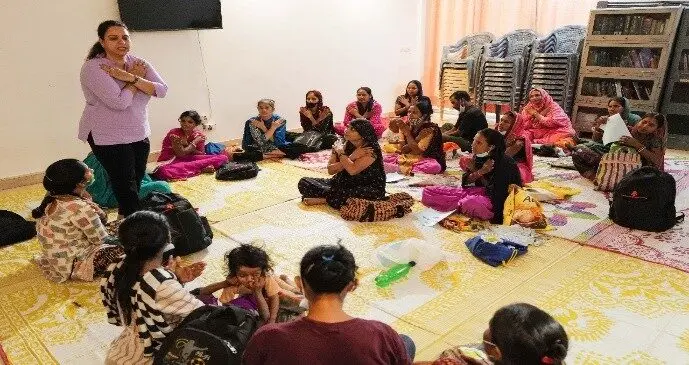
Community-based delivery includes:
-
Home visits by trained teams
-
Local volunteer engagement
-
Family caregiver training
-
Decentralized patient monitoring
-
Cultural sensitivity in care delivery
This approach ensures continuity of care beyond clinical environments.
Real-World Models Demonstrating Impact
Several organizations demonstrate how a structured cancer patient support program can operate at scale with accountability.
You can explore frameworks and best practices through:
These platforms highlight the importance of governance, impact reporting, and ethical service delivery.
You can naturally link this article to relevant pages such as:
These internal links improve SEO structure and enhance user experience.
Final Perspective
A well-structured cancer patient support program represents the future of ethical healthcare delivery in India. It bridges gaps between treatment and experience, between donors and outcomes, and between intent and accountability.
For donors, it offers confidence.
For corporates, it offers credibility.
For patients, it offers dignity.
Organizations that invest in governance, transparency, and impact measurement will continue to lead the evolution of sustainable healthcare models. Through structured implementation, ethical delivery, and open reporting, the cancer patient support program framework is becoming one of the most trusted pathways for long-term healthcare impact.