
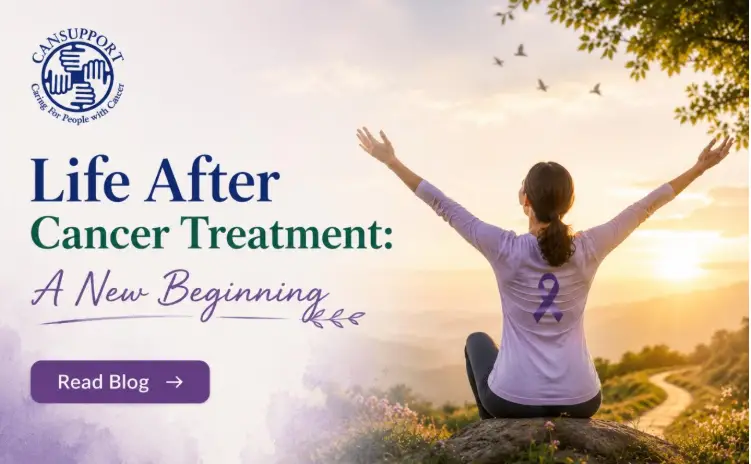
Completing cancer treatment is a major milestone, but for many survivors, it marks the beginning of a complex new chapter. The transition from active treatment to survivorship brings distinct physical, emotional, and psychological shifts that require proactive, ongoing management.
With structured medical follow-up, evidence-based lifestyle modifications, and integrated supportive care, survivors can effectively manage late effects, reduce recurrence risks, and achieve a high quality of life.
What to Expect During Cancer treatment Survivorship
Recovery is highly individualized and extends well beyond physical healing. Modern survivorship care addresses the “whole person” by focusing on several interconnected domains:
- Managing Treatment Side Effects: Addressing both acute lingering effects and delayed onset (late) effects.
- Regaining Functional Capacity: Rebuilding cardiorespiratory fitness, bone density, and muscle mass.
- Optimizing Metabolic Health: Using targeted nutrition to combat inflammation and metabolic changes.
- Re-entering the Workforce: Navigating cognitive changes (“chemobrain”) and physical limitations in the workplace.
- Surveillance and Monitoring: Adhering to strict protocols for early recurrence detection and screening for secondary malignancies.
Physical Rehabilitation & Evidence-Based Lifestyle Medicine
Exercise Physiology & Physical Activity
Physical activity is no longer considered optional; it is a core therapeutic intervention during survivorship. Clinical guidelines strongly recommend:
- Aerobic Exercise: Aim for at least 150 minutes of moderate-intensity or 75 minutes of vigorous-intensity aerobic exercise per week to combat cancer-related fatigue (CRF) and improve cardiovascular health.
- Resistance Training: Incorporate strength training sessions at least 2 days per week to counteract muscle wasting (sarcopenia) and improve bone mineral density compromised by treatments like chemotherapy or hormone suppression therapy.
- Pre-activity Screening: Survivors should undergo evaluation by their healthcare team to tailor exercise prescriptions, particularly if they have a history of cardiotoxic treatments, neuropathy, or bone metastases.
Oncology Nutrition
Optimizing nutrition helps mitigate chronic inflammation, manage weight fluctuations, and lower the risk of co-morbidities:
- Dietary Framework: Prioritize a plant-forward diet rich in biologically active compounds. Focus on whole grains, legumes, and a colorful variety of cruciferous and leafy green vegetables.
- Lean Macronutrients: Incorporate high-quality lean proteins (poultry, fish, tofu) to support tissue repair and muscle preservation.
- Systemic Hydration: Maintain a target intake of 2 to 3 liters of water daily to support metabolic clearance and renal function.
- Proactive Reductions: Significantly limit the intake of ultra-processed foods, refined sugars, and red or processed meats.
Managing Late and Long-Term Effects
Many survivors experience side effects that persist for months or emerge years after completing therapy. Standardized management strategies include:
| Symptom / Side Effect | Clinical Presentation | Evidence-Based Intervention |
|---|---|---|
| Cancer-Related Fatigue (CRF) | Persistent, exhausting fatigue not relieved by rest. | Structured physical activity, cognitive behavioral therapy (CBT), and sleep hygiene protocols. |
| Cognitive Dysfunction (“Chemobrain”) | Deficits in working memory, executive function, and word-finding. | Cognitive rehabilitation, memory aids, stress reduction techniques, and aerobic exercise. |
| Peripheral Neuropathy (CIPN) | Numbness, tingling, or neuropathic pain in hands and feet. | Pharmacological management (e.g., duloxetine), physical therapy, and fall-prevention strategies. |
| Sleep Disturbances / Insomnia | Inability to initiate or maintain restorative sleep. | Cognitive Behavioral Therapy for Insomnia (CBT-I) and eliminating chemical sleep disruptors. |
| Fear of Recurrence (FCR) | Persistent, invasive anxiety regarding cancer returning. | Mindfulness-based stress reduction (MBSR), psycho-oncology counseling, and peer support networks. |
The Role of Early Palliative and Supportive Care
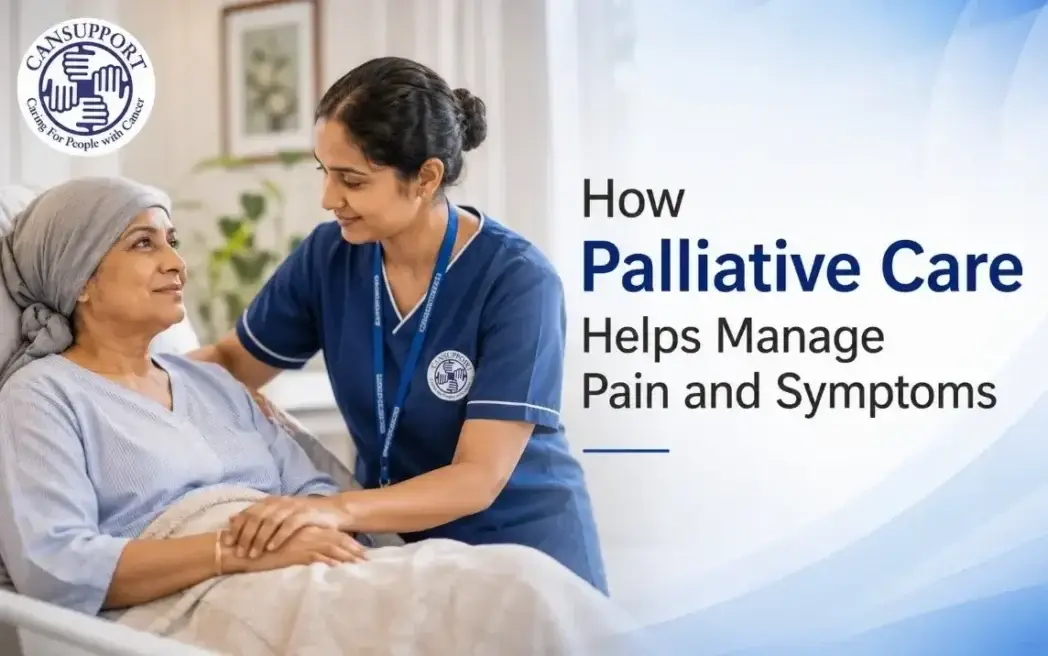
A common misconception is that palliative care is strictly reserved for end-of-life care. In reality, early integration of concurrent palliative care during the survivorship phase significantly enhances clinical outcomes.
Palliative medicine operates alongside curative or restorative long-term care to provide:
- Advanced Symptom Management: Specialized optimization of refractory pain, complex nausea, and severe neuropathic symptoms.
- Psychosocial & Spiritual Alignment: Multidisciplinary counseling to help patients process the trauma of diagnosis and treatment.
- Care Coordination: Seamless navigation between oncology subspecialists, physical therapists, and community resources.
- Caregiver Support Infrastructure: Providing respite care options, psychological counseling, and practical training for family members managing the transition.
The Value of Dedicated Support Networks
Organizations like CanSupport serve as critical extensions of the clinical team, bridging the gap between hospital discharge and long-term community survival. Their multi-layered care models ensure no survivor navigates this transition alone:
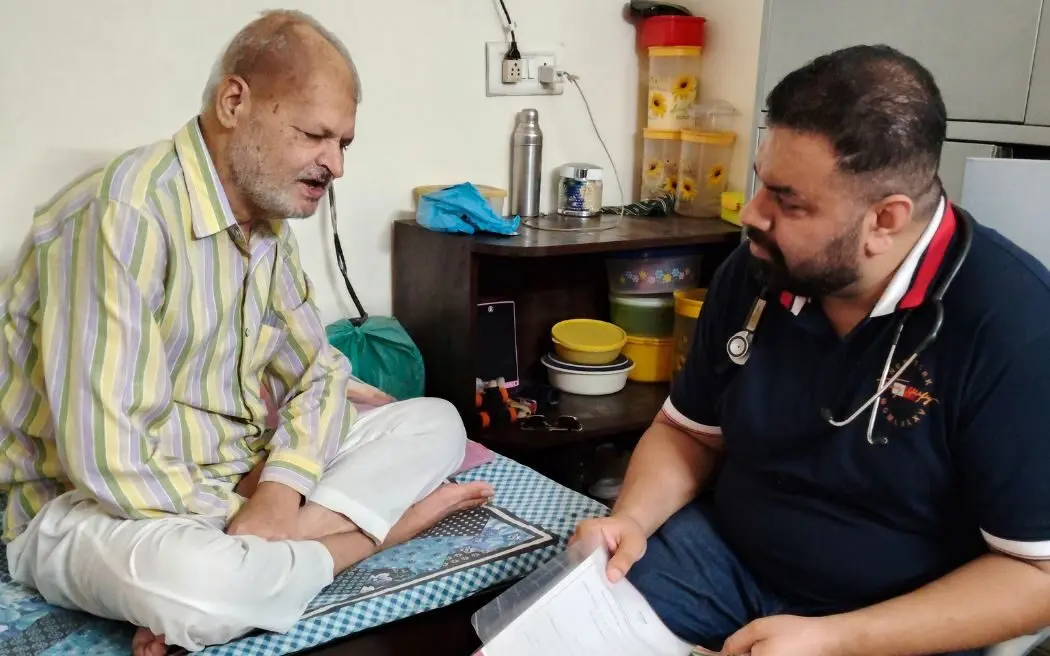
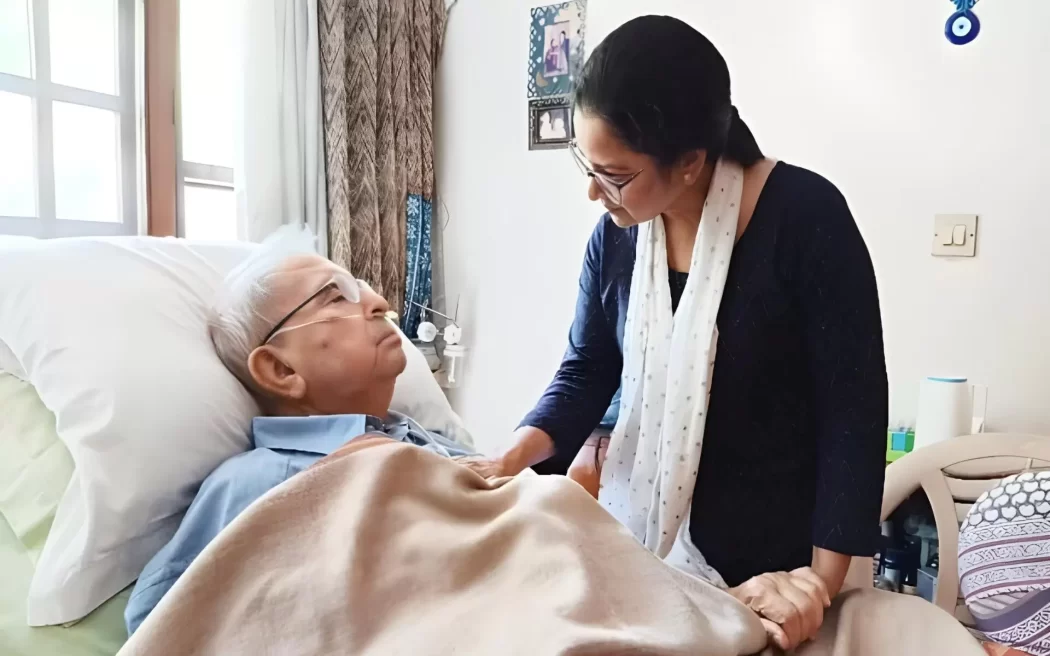
- Home-Based Palliative Care: Bringing clinical symptom management, nursing, and emotional support directly to the patient’s home environment.
- Outpatient Day Care & Rehabilitation: Providing structured environments for physical reconditioning, peer interaction, and therapeutic activities.
- Caregiver Empowerment: Offering formal training programs that equip family members with the skills needed to provide safe, effective home care.
FAQs
Can cancer survivors return to a normal routine after treatment?
Yes. A significant percentage of cancer survivors successfully reintegrate into their personal and professional lives. However, “normal” often evolves into a “new normal” that incorporates long-term wellness practices, regular medical surveillance, and adaptive pacing to manage energy levels.
How long does the post-treatment recovery phase last?
The recovery timeline depends entirely on the cancer type, stage, treatment modalities used (such as surgery, radiation, chemotherapy, or immunotherapy), and baseline health. Acute recovery typically takes several months, while rebuilding full physiologic reserve and managing late effects can be an ongoing journey over several years.
Why is an explicit survivorship care plan important?
A formal Survivorship Care Plan provides a comprehensive summary of all treatments received, a detailed schedule for future diagnostic surveillance (scans and blood work), clear guidelines for monitoring late effects, and evidence-based lifestyle recommendations tailored to the individual’s specific health profile.
How does palliative care fit into post-treatment recovery?
Palliative care focuses entirely on symptom relief and optimizing quality of life. By addressing lingering pain, severe fatigue, and emotional distress immediately after treatment, palliative care provides the physical comfort and mental clarity needed to actively engage in rehabilitation and long-term recovery.