

Cancer care has entered a defining new era driven by the rapid advancement of Artificial Intelligence (AI). Across the globe, healthcare providers are leveraging machine learning and deep learning algorithms to detect malignancies earlier, optimize treatment pathways, and drive better clinical outcomes.
In India, where the cancer burden continues to escalate annually, AI serves as a critical force multiplier. By assisting oncologists and radiologists, these technologies mitigate the challenges of high patient volumes and limited specialized infrastructure, delivering faster and more precise care.
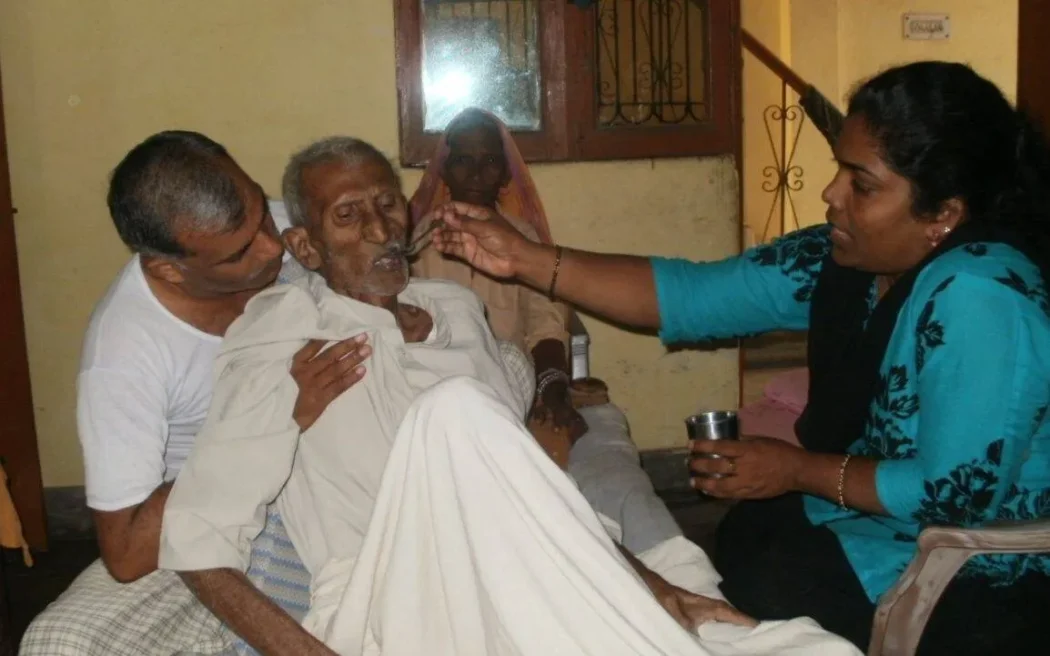
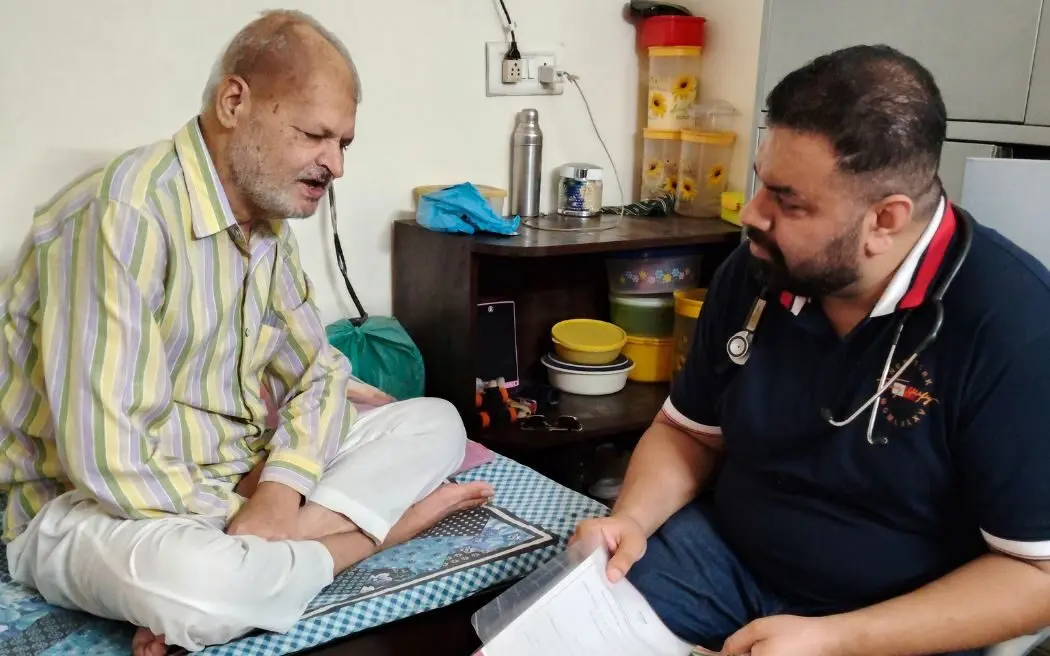
The Core Philosophy: While technology exponentially scales diagnostic capability, compassionate human care remains irreplaceable. AI excels at data analysis and pattern recognition, but organizations like CanSupport provide the essential human touch—delivering palliative care, pain management, and emotional support directly to the homes of patients and their families.
Understanding AI in Oncology
Artificial Intelligence in medicine” refers to computer systems trained on massive datasets to identify complex clinical patterns that might evade traditional diagnostic methodologies.
Key Clinical Applications of AI
- Advanced Medical Image Analysis: Evaluating radiological scans to find micro-anomalies.
- Ultra-Early Anomaly Detection: Catching pre-malignant changes before symptoms manifest.
- Digital Pathology Support: Speeding up cellular analysis and tissue biopsy grading.
- Predictive Response Modeling: Estimating how a specific tumor will react to therapeutic agents.
- Clinical Decision Support Systems (CDSS): Providing oncologists with evidence-based, data-driven insights.
Note: AI does not replace the oncologist; it acts as an intelligent co-pilot, enhancing diagnostic confidence and reducing cognitive fatigue.
The Clinical Weight of Early Detection
Early-stage detection remains the single most effective variable in improving cancer survival rates globally. Many cancers develop asymptomatically, making early clinical presentation rare. AI algorithms scan through vast quantities of imaging data, electronic health records (EHRs), and lab reports to flag subtle warning signs long before visible symptoms occur.
Proven Benefits of Early-Stage Intervention
- Optimized Treatment Outcomes: Substantially higher cure and remission rates.
- De-escalated Therapies: Less reliance on aggressive, high-toxicity treatments.
- Reduced Financial Burden: Significantly lower overall healthcare and treatment costs.
- Enhanced Quality of Life: Minimized long-term side effects and procedural trauma.
- Increased Survivorship: Higher overall 5-year survival statistics across major cancer types.
AI-Driven Diagnostics vs. Traditional Frameworks
| Feature / Metric | Traditional Diagnostics | AI-Enhanced Diagnostics |
|---|---|---|
| Analysis Speed | Manual review; time-intensive across complex multi-slice scans. | Near-instantaneous triage and flagging of high-risk regions. |
| Error Mitigation | Vulnerable to fatigue-induced oversight or subjective variance. | Consistent, baseline screening against millions of reference images. |
| Therapy Style | Standardized, broad protocol based primarily on cancer stage. | Highly personalized, based on genomics and tumor characteristics. |
| Symptom Tracking | Reactive; relies on patient reporting during scheduled visits. | Proactive; remote monitoring and predictive symptom alerts. |
How AI is Enhancing the Continuum of Care
- High-Speed, High-Precision Imaging
AI models streamline the evaluation of complex radiological datasets, including the following:
- CT & MRI Scans: Pinpointing deep-tissue lesions.
- Mammograms: Reducing false negatives and false positives in breast cancer screening.
- PET Scans: Tracking metabolic tumor activity with high spatial precision.
- Precision Medicine & Personalized Treatment Planning
Every tumor possesses a unique molecular profile. AI synthesizes multi-omic data—including patient medical history, tumor staging, histology, and genetic sequencing—to help oncologists tailor highly targeted therapeutic regimens. This maximizes treatment efficacy while sparing patients from unnecessary systemic toxicities.
- Forecasting Therapeutic Efficacy
Through predictive analytics, AI models assess historical data to forecast how a patient will respond to chemotherapy, immunotherapy, or molecularly targeted therapies. This prevents time-wasting trial-and-error approaches in aggressive disease management.
- Administrative and Operational Efficiency
AI optimizes hospital workflows by automating:
- Remote patient monitoring and proactive symptom tracking.
- Real-time medical documentation and structured reporting.
- Dynamic patient scheduling and resource allocation.
The Intersection of Technology and Palliative Care
Advanced stage oncological conditions bring profound physical and emotional challenges, including severe pain, chronic fatigue, acute anxiety, and respiratory distress.
While AI-powered telemetry and wearable monitoring devices can alert clinical teams to shifting vitals or worsening symptoms early, technology cannot offer comfort. Empathy, psychological counseling, and genuine human presence are therapeutic components that no software can replicate.
Organizations like CanSupport bridge this gap by blending medical excellence with deep human compassion, ensuring that patients receive comprehensive physical, emotional, and psychological support right at their bedsides.
Systemic Challenges in AI Adoption
While the potential of AI is immense, wide-scale implementation in developing healthcare ecosystems faces clear hurdles:
- High Capital Costs: Substantial upfront investments required for computational infrastructure.
- Data Silos: A critical need for standardized, high-quality, and diverse medical datasets.
- Data Privacy & Security: Protecting sensitive patient health information from breaches.
- Geographic Imbalances: Limited technological infrastructure and access in rural sectors.
- Skill Gaps: The necessity of training healthcare professionals to interpret AI outputs accurately.
Bridging the Gap: How You Can Help
Technology refines the science of medicine, but community support fuels the humanity behind it. Your contributions empower dedicated healthcare teams to deliver essential human-centric care to those navigating their most difficult moments.
Your support directly funds:
- Home-based clinical visits by specialized palliative care teams.
- Free pain management therapies and essential medications.
- Professional psychological counseling for patients and family caregivers.
- Holistic support services aimed at preserving patient dignity.
Resource Center
Internal Services & Support
- CanSupport Home Care Services
- CanSupport Day Care Programs
- Professional Counselling Services
- Volunteer Opportunities
- Make a Donation
External Clinical & Global Resources
- World Health Organization (WHO) – Cancer Fact Sheet
- National Cancer Institute (NCI) – Understanding Cancer
- Indian Council of Medical Research (ICMR)
FAQ
How exactly is AI improving cancer diagnosis and treatment?
AI accelerates the interpretation of complex medical imagery, uncovers microscopic anomalies earlier than traditional manual reviews, assists in tailoring genetic-specific treatment plans, and optimizes hospital workflows.
Can AI detect cancer entirely on its own?
AI is highly proficient at flagging suspicious patterns and anomalies that warrant immediate attention. However, it operates as a decision-support tool; all definitive diagnoses are confirmed by qualified physicians through clinical evaluations, biopsies, and laboratory validations.
Will AI replace oncologists and radiologists?
No. AI eliminates repetitive analytical tasks and processes massive data sets rapidly, allowing doctors to focus their time and expertise on nuanced clinical decision-making and direct patient care.
What is the role of AI in palliative care?
AI supports palliative medicine through predictive symptom tracking and continuous remote monitoring, which helps clinical teams manage pain proactively. This technical oversight is paired with hands-on human care to maximize a patient’s comfort and quality of life.