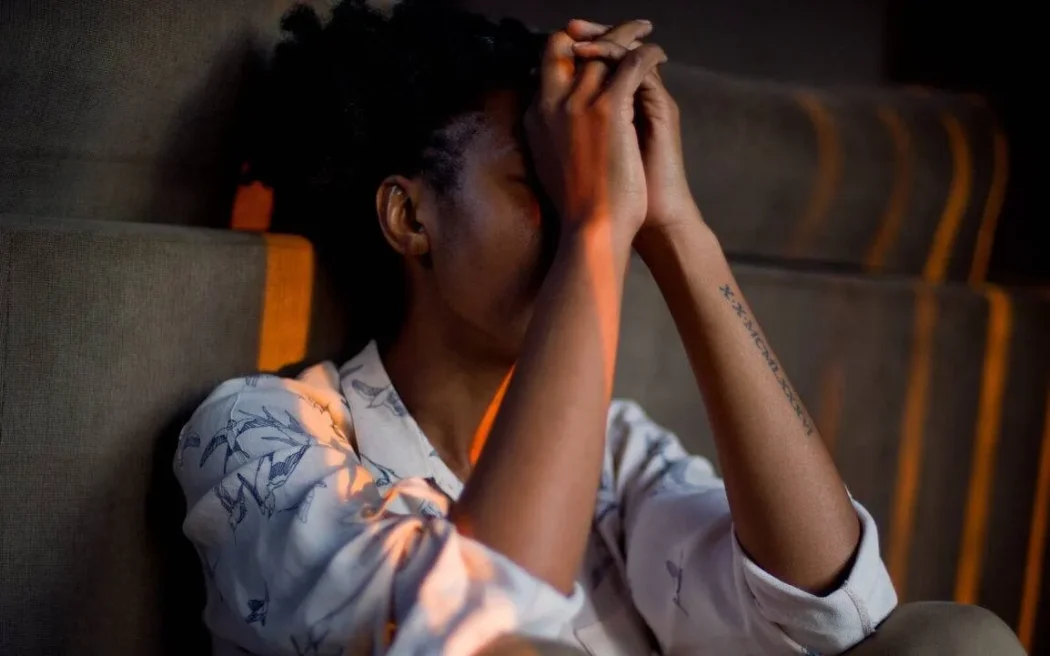



Pain management plays a vital role in improving the quality of life for patients facing cancer, chronic illnesses, or terminal conditions. In India, where access to advanced medical care is still limited in many areas, pain management bridges the gap between treatment and comfort. It ensures that no one suffers in silence and that every patient receives care that focuses on dignity, relief, and peace.
Organizations like CanSupport and other healthcare NGOs have transformed the approach to pain management, blending medical expertise with emotional and psychological support. This combination ensures that patients not only receive relief from physical discomfort but also find hope and strength during challenging times.
Understanding Pain Management and Its Impact
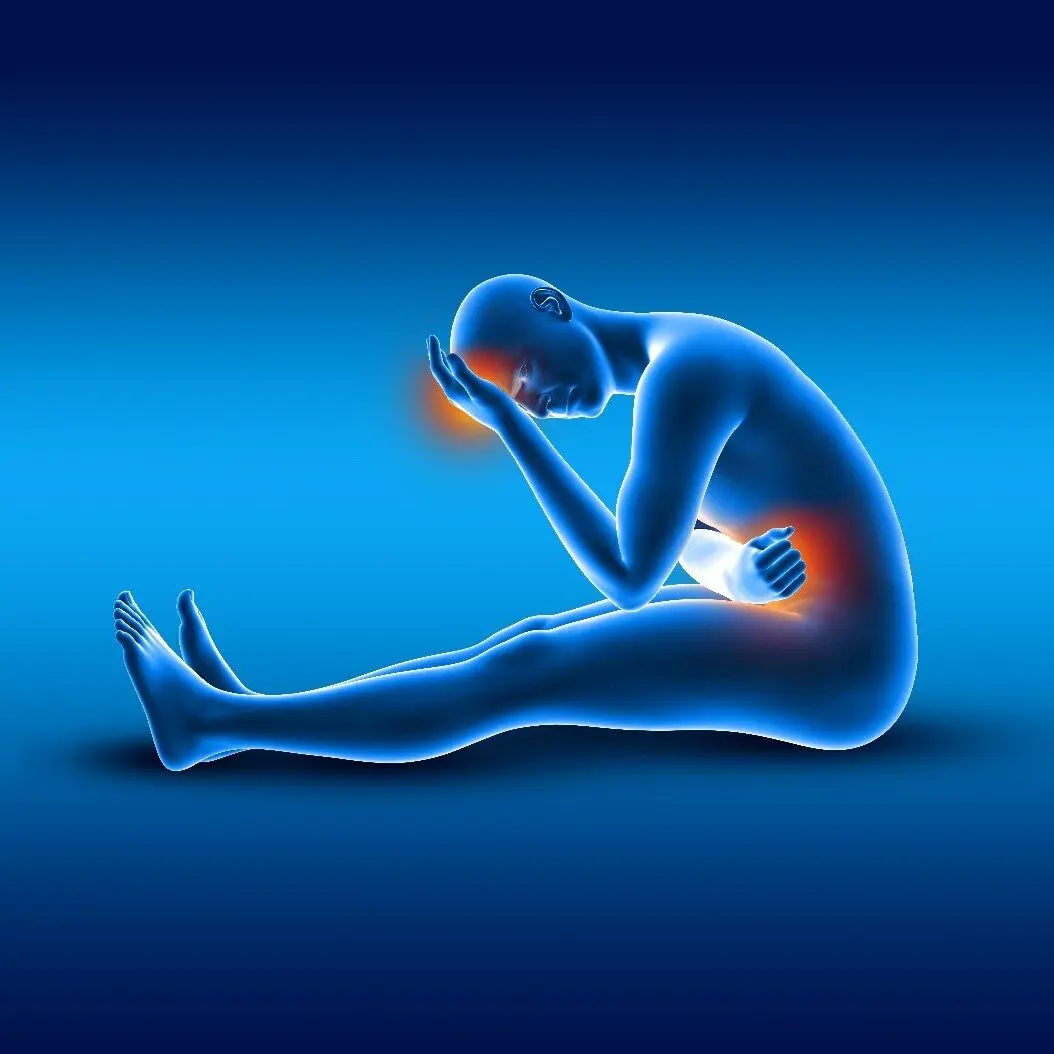
Pain management is more than just prescribing medicine—it’s a holistic approach that includes counseling, physiotherapy, nutrition, and emotional care. Trained professionals assess pain levels, understand patient needs, and provide customized care plans.
For cancer patients, effective pain management can mean the difference between enduring constant suffering and living each day with comfort and dignity. It restores mobility, encourages better sleep, and improves emotional well-being—essential components for overall healing.
How NGOs Lead the Way in Pain Management in India
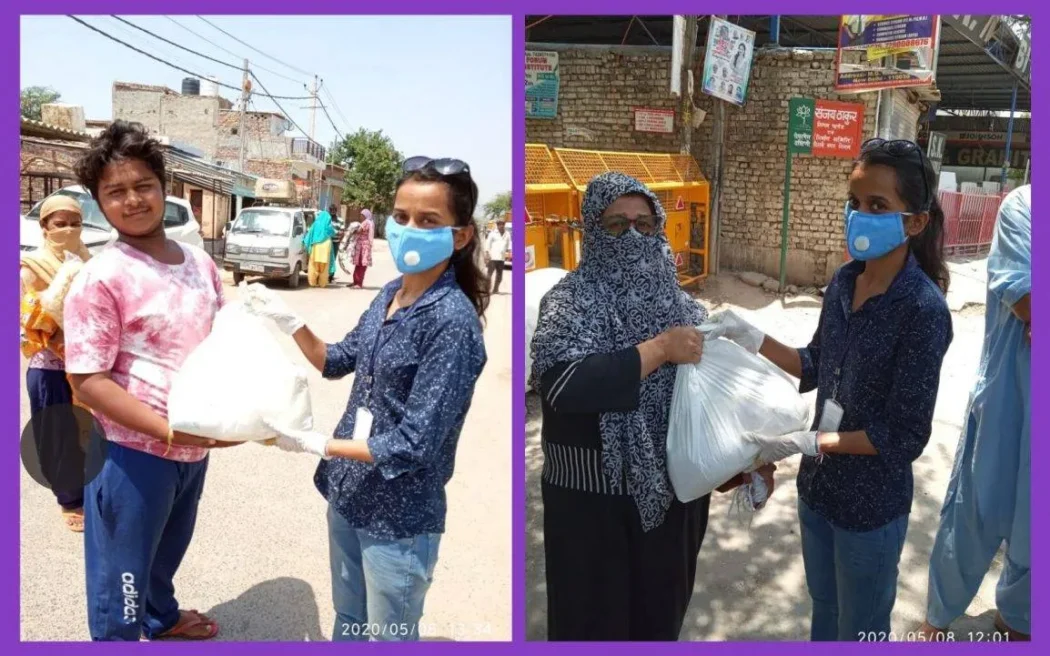
NGOs have become the backbone of pain management programs across India. They fill critical healthcare gaps by offering free or subsidized services to patients who cannot afford long-term treatment costs.
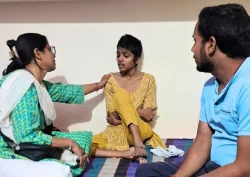
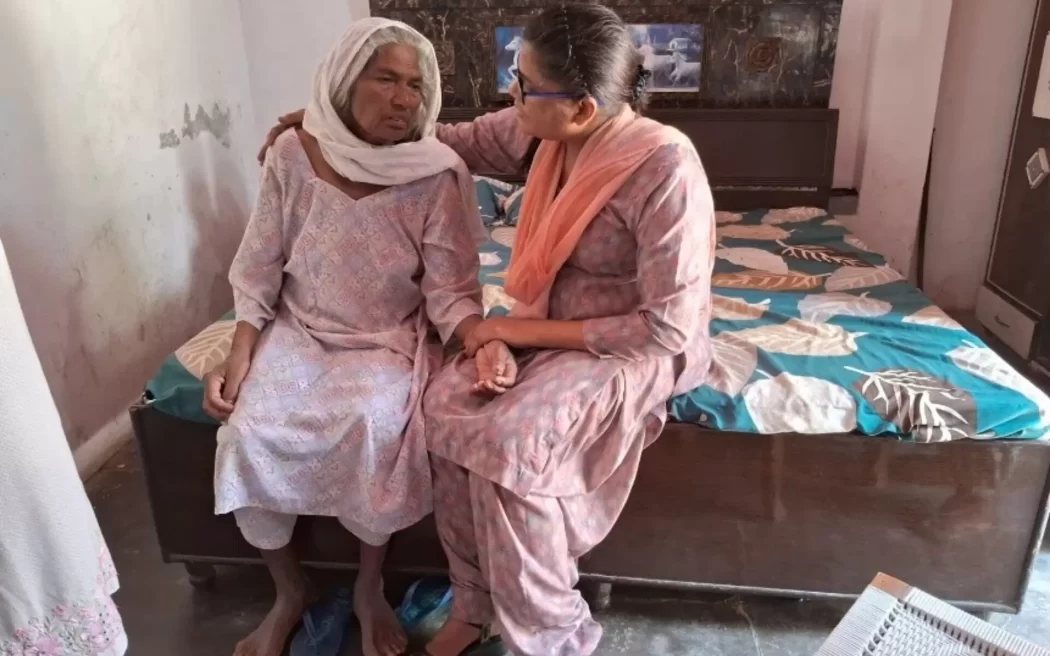
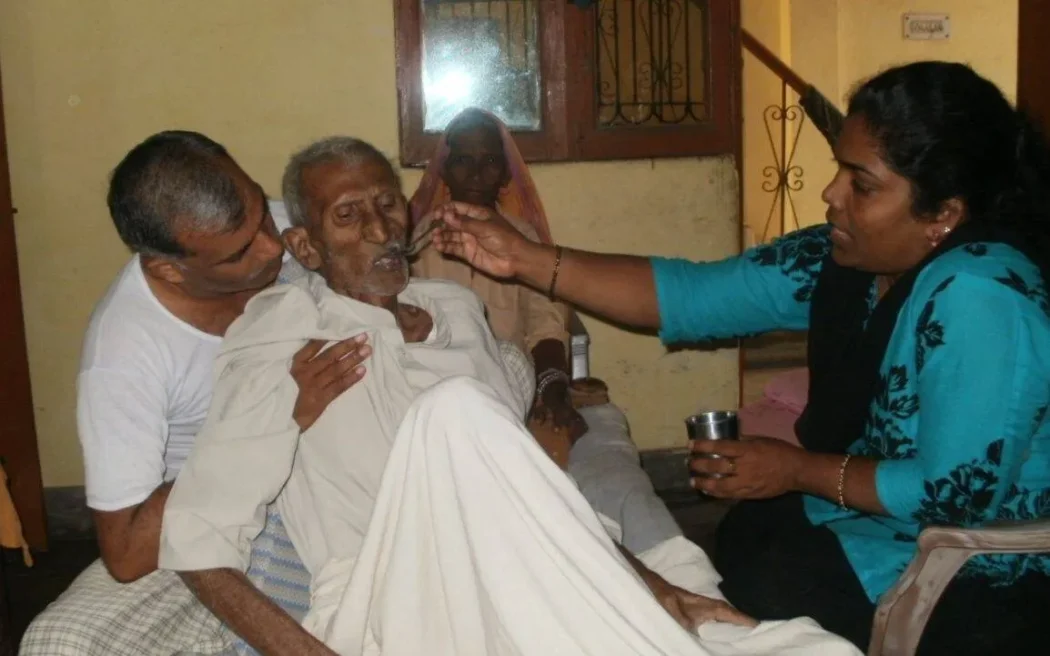
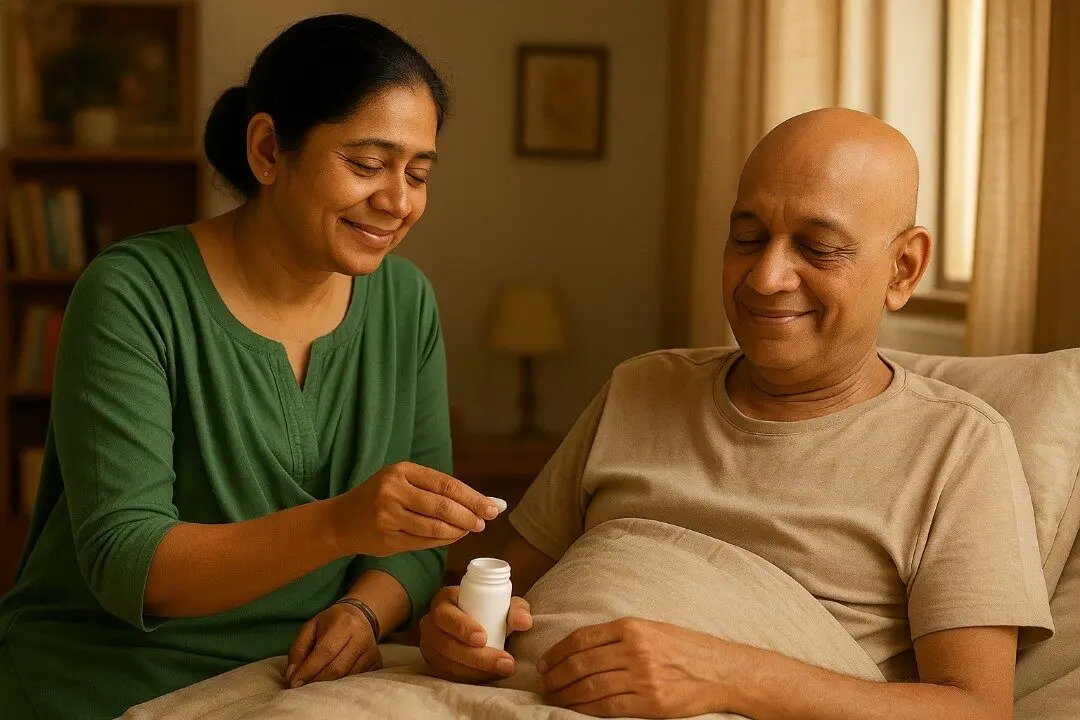
Leading NGOs like CanSupport deploy home-based teams consisting of doctors, nurses, and counselors trained in pain management. These professionals visit patients at their homes, ensuring continuous care and timely support—especially for those who are bedridden or in remote areas.
Such initiatives showcase the power of community-driven healthcare. Through transparent donation models, donors can see exactly how their contributions support medicines, home visits, and palliative care training sessions.
The Science and Sensitivity Behind Pain Management
While the science behind pain management involves medication and treatment techniques, its effectiveness depends on empathy and communication. Specialists use evidence-based practices to balance pain relief with the emotional state of each patient.
Common approaches include:
-
Medication therapy: Using safe, regulated painkillers and adjuvants to reduce pain intensity.
-
Counseling and support: Addressing anxiety, fear, and depression that often worsen physical pain.
-
Physical and occupational therapy: Helping patients regain strength and independence.
-
Mind-body interventions: Practices like relaxation, breathing techniques, and guided meditation.
Each of these plays a role in helping patients reclaim control over their lives.
Transparency and Trust in Donation-Driven Pain Management
When it comes to healthcare donations, transparency is key. Many Indian donors now want to see measurable outcomes—how their contribution directly impacts patient care.
That’s why organizations focusing on pain management share detailed reports, testimonials, and fund utilization data. Every donation, big or small, contributes to a clear cause: relieving pain, restoring comfort, and promoting dignity.
By maintaining strict accountability in fund usage, these NGOs build long-term trust with supporters and create a culture of openness and compassion.
Corporate Partnerships and CSR in Pain Management
In today’s era of socially responsible businesses, pain management offers a unique opportunity for corporates to fulfill their CSR (Corporate Social Responsibility) goals meaningfully.
Through partnerships with NGOs, companies can:
-
Sponsor home-care visits for patients.
-
Fund medical equipment and training programs for nurses.
-
Organize employee volunteering initiatives focused on awareness and support.
Such collaborations go beyond donations—they create emotional connections between brands, employees, and the communities they serve. By investing in pain management, corporates become champions of human dignity and empathy.
Training the Next Generation of Healthcare Heroes
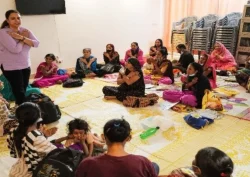
One of the most powerful investments in pain management is education. Training healthcare professionals, volunteers, and caregivers ensures sustainable impact. NGOs and hospitals across India are now conducting workshops to teach evidence-based pain assessment and symptom control.
This capacity-building approach not only strengthens the healthcare ecosystem but also ensures that every future nurse, doctor, and social worker understands the importance of compassionate care.
Why Donating to Pain Management Programs Matters
Donating to pain management programs is not just an act of charity—it’s an investment in humanity. Your contribution can bring comfort to someone in unbearable pain, support caregivers with resources, and create long-term systems of compassionate healthcare.
Each rupee contributes to medicines, counseling, and the emotional healing of patients and families. Transparent reporting ensures you know exactly how your donation is used—turning every act of giving into measurable change.
Healing with Humanity
The future of pain management in India lies in collaboration—between doctors, NGOs, donors, and corporations. Together, they can create an ecosystem where every individual, regardless of income, receives comfort and dignity in their most difficult moments.
By supporting pain management initiatives, you help India move closer to a healthcare system that values compassion as much as cure.
Because true healing isn’t just about treating disease—it’s about caring for the person behind it.