

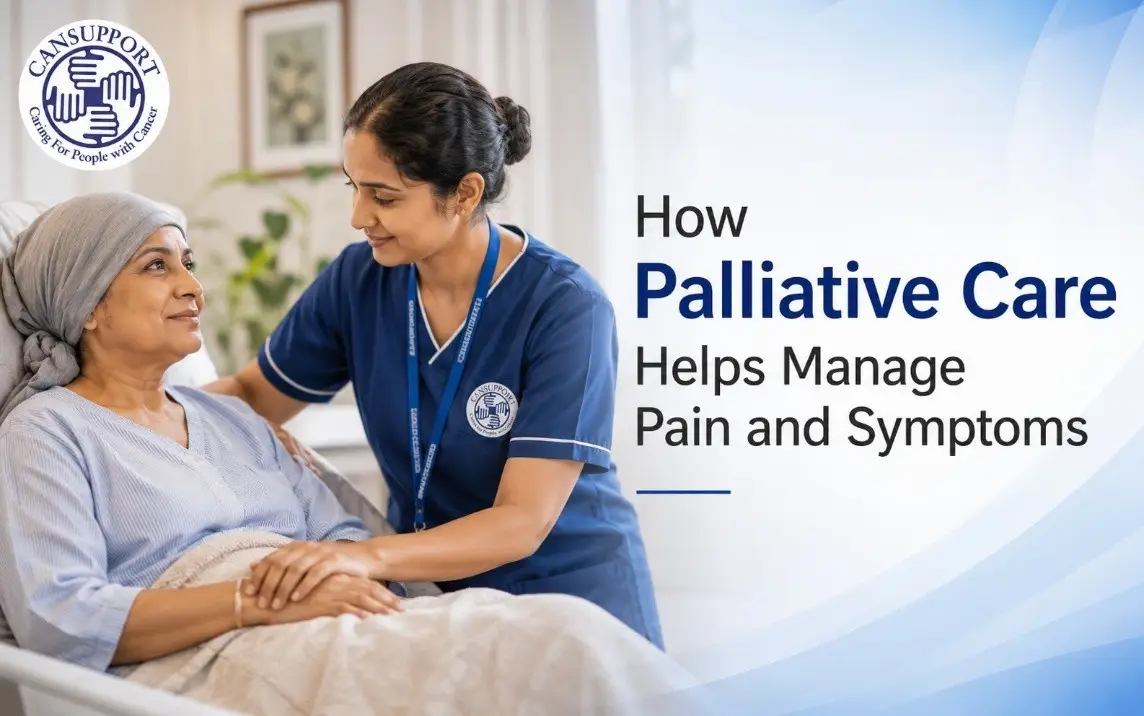
Palliative care is a critical component of modern healthcare. It is specialized medical care designed to improve the quality of life for individuals facing serious, life-altering illnesses such as cancer.
Contrary to a common misconception, palliative care is not exclusively for end-of-life or hospice situations. It can be initiated at any stage of a serious illness and is delivered alongside curative and standard medical treatments.
The primary objective is to mitigate suffering, maximize comfort, and provide a comprehensive support system for both patients and their families.
Integrating effective pain management with early palliative care allows oncology patients to maintain dignity, find emotional equilibrium, and experience greater physical comfort while undergoing active treatment.
What Is Palliative Care?
Palliative care focuses on symptom burden mitigation and overall well-being. It approaches patient health holistically, addressing the individual rather than just the disease pathology.
Palliative care provides comprehensive support across five core domains:
- Physical Symptoms: Managing pain, fatigue, nausea, and respiratory distress.
- Emotional & Psychological Concerns: Addressing anxiety, fear, depression, and treatment-related stress.
- Social Challenges: Navigating interpersonal relationships and caregiving dynamics.
- Spiritual Well-being: Helping patients find peace, meaning, and closure.
- Independence: Promoting functional autonomy to enhance daily living.
Why Palliative Care Is Crucial in Cancer Treatment
Oncology diagnoses impact both physiology and psychological health. Patients frequently encounter high symptom burdens due to the disease itself or aggressive treatments like chemotherapy and radiation.
Documented Benefits of Early Integration
- Optimized Symptom Control: Systematic tracking reduces the severity of treatment side effects.
- Enhanced Emotional Health: Targeted psychological support reduces distress.
- Reduced Hospitalization Rates: Proactive management minimizes emergency room visits and preventable admissions.
- Improved Communication: Facilitates clearer dialogue between patients, families, and primary oncology teams.
- Superior Quality of Life: Patients consistently report higher satisfaction with their care journey.
Comprehensive Pain Management in Palliative Care
Pain perception is highly subjective and varies significantly among oncology patients. Pain can be continuous (chronic) or transient. Patients often experience sudden, intense spikes of pain despite regular medication, a phenomenon known as breakthrough pain.
To establish an effective intervention plan, healthcare professionals conduct detailed clinical assessments by evaluating key variables:
Multimodal Treatment Approaches
Effective pain management extends beyond pharmacology. Palliative teams utilize a diverse toolkit:
- Pharmacotherapy: Tailored dosing of analgesics, anti-inflammatories, and adjuvant medications.
- Physical Interventions: Physiotherapy and targeted exercises to maintain mobility.
- Psychological Strategies: Counselling services and cognitive behavioral strategies to address the emotional components of pain.
- Complementary Techniques: Relaxation training, mindfulness, and nutritional adjustments.
Common Symptoms Managed Through Palliative Care
Beyond pain, palliative care proactively addresses a cluster of debilitating symptoms:
- Chronic Fatigue: Profound, persistent exhaustion unmitigated by rest that impairs daily functioning.
- Dyspnea (Breathlessness): Labored or difficult breathing linked to advanced illness.
- Nausea and Emesis: Frequent gastrointestinal side effects stemming from chemotherapy, radiation, or medications.
- Anorexia (Loss of Appetite): Nutritional decline leading to progressive physical weakness and cachexia.
- Clinical Depression: Severe emotional and existential distress secondary to prolonged illness.
Home-Based Palliative Care: Bringing Comfort Home
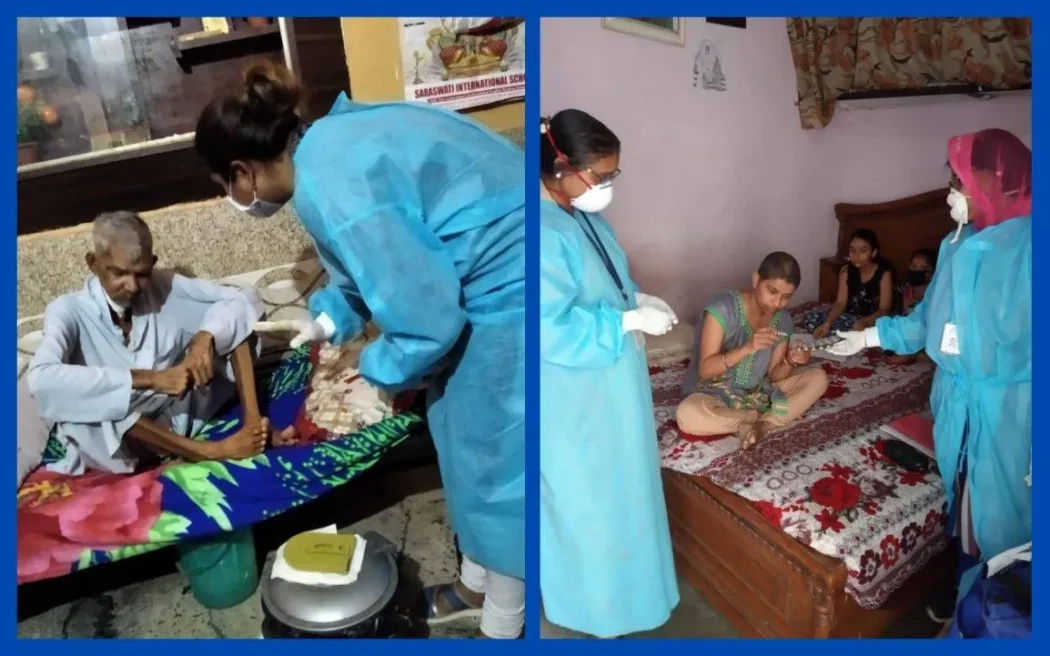
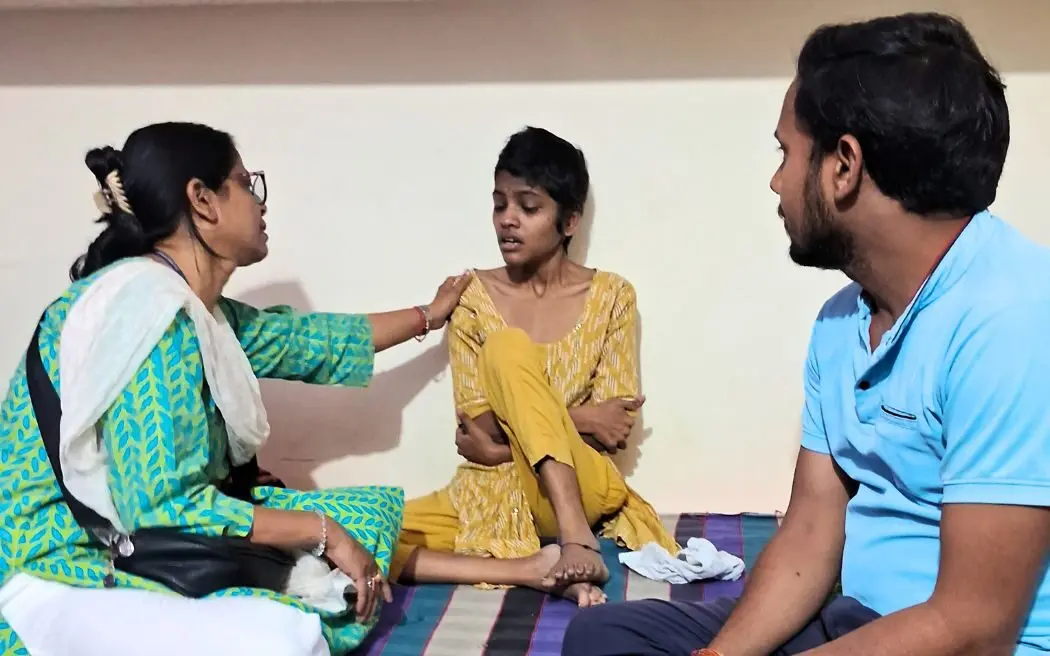
Many patients prefer to receive care within the familiar comfort of their own homes. Home-based palliative care deploys multidisciplinary teams—including physicians, nurses, counselors, and trained volunteers—directly to the patient’s residence.
Key Advantages
- Personalized Environments: Care plans are adapted to the patient’s specific living arrangements.
- Continuous Monitoring: Regular check-ins allow for early intervention before symptoms escalate into medical emergencies.
- Reduced Stress: Eliminates the physical and financial strain of frequent hospital commutes.
- Family Empowerment: Enables loved ones to actively participate in care with professional guidance.
Debunking Common Palliative Care Myths
- Myth 1: Palliative care is only for terminal, end-of-life patients.
- Fact: Palliative care can begin immediately at the point of diagnosis and run concurrently with active, curative therapies.
- Myth 2: Advanced cancer pain cannot be controlled.
- Fact: Modern, multimodal pain management protocols can safely and significantly mitigate discomfort for the vast majority of patients.
- Myth 3: Accepting palliative care means giving up on treatment.
- Fact: Palliative care does not replace curative efforts; it optimizes them by ensuring the patient is physically and emotionally strong enough to tolerate treatment.
- World Health Organization (WHO)
- National Cancer Institute (NCI)
- Indian Association of Palliative Care
How Organizations Like CanSupport Help
Organizations such as CanSupport provide crucial, compassionate palliative services across India free of charge. Their specialized teams offer:
- Home-based medical and nursing care for cancer patients.
- Advanced pain titration and symptom management.
- Professional emotional and psychological counseling.
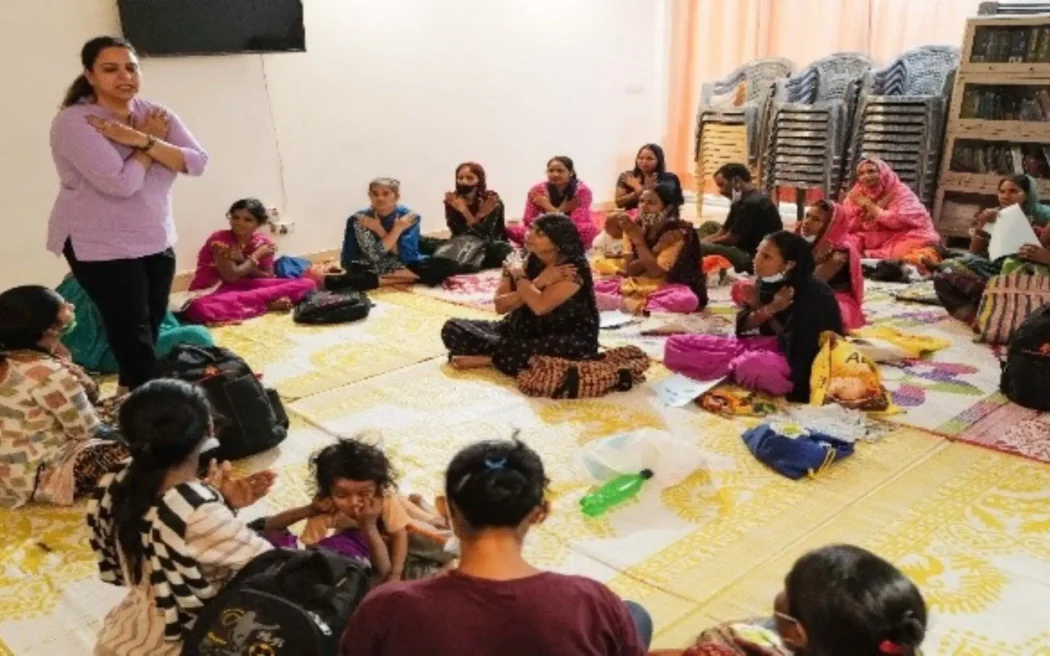
- Family caregiver training and bereavement support.
How You Can Support Better Cancer Care
The reach of quality palliative care relies heavily on community involvement and healthcare advocacy. You can make an impact by:
- Volunteering your time to assist clinical and administrative teams.
- Donating to patient care programs to help fund free medical outreach.
- Raising public awareness to dispel myths surrounding pain management and palliative infrastructure.