

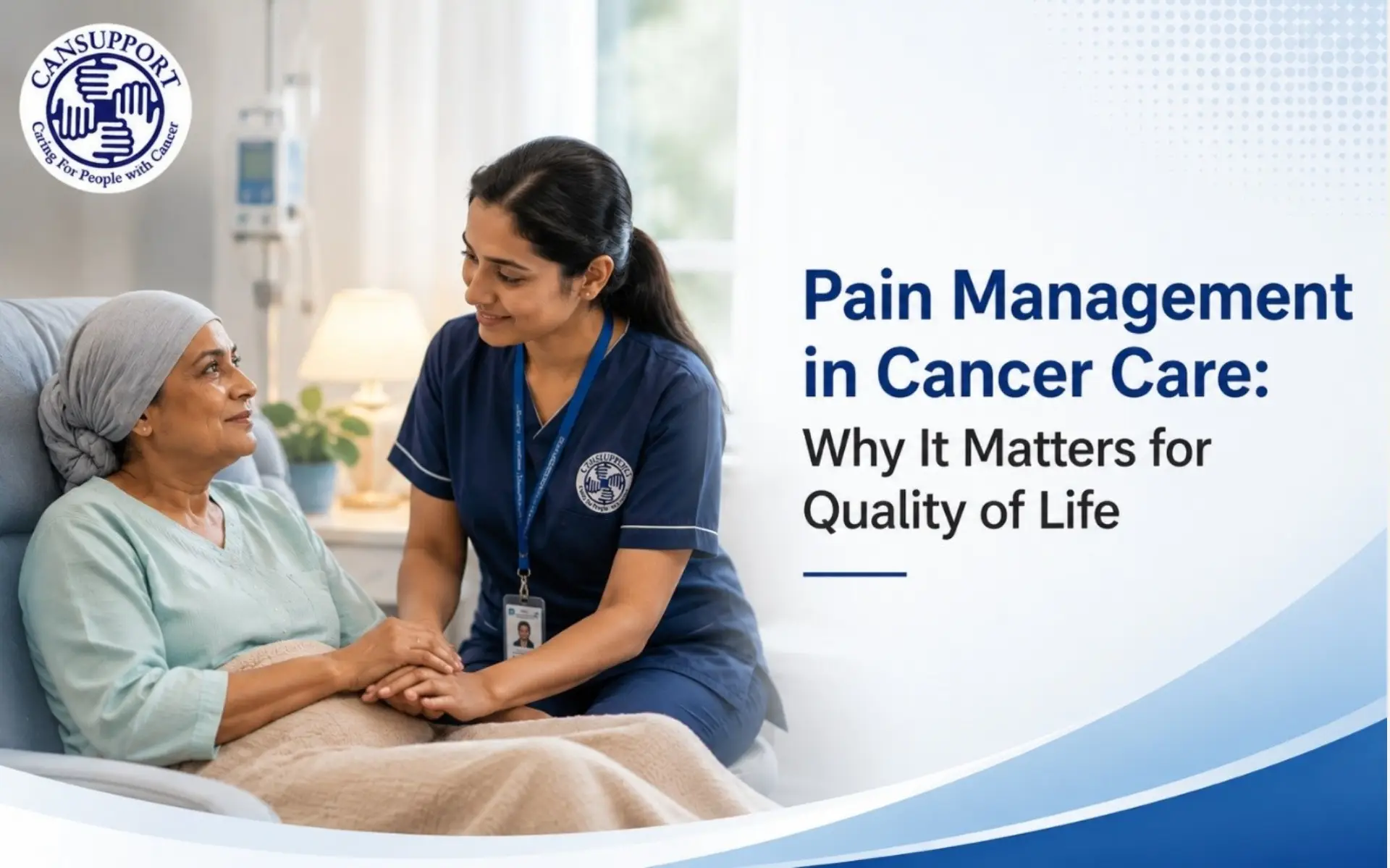
Pain management is one of the most critical aspects of cancer care, yet it remains frequently misunderstood or overlooked. For many individuals navigating cancer, pain can permeate every layer of daily life—disrupting physical comfort, emotional well-being, sleep, mobility, and personal relationships.
Effective pain management empowers patients to live with greater dignity, confidence, and comfort throughout their treatment journey.
Cancer is not merely a physical disease; it profoundly impacts mental and emotional health. When pain is left unmanaged, patients often face heightened anxiety, depression, profound fatigue, and a restricted ability to engage in daily life. This is why healthcare professionals increasingly view comprehensive pain management as an essential, non-negotiable component of total cancer care.
What Is Pain Management?
- Pain management is the systematic assessment, treatment, and ongoing evaluation of pain, designed to enhance a patient’s comfort and overall quality of life. Cancer-related pain can stem from multiple sources: the disease itself, cancer treatments (such as surgery, chemotherapy, or radiation), or co-existing health conditions.The primary objective is to alleviate physical suffering while helping patients maintain their independence, emotional stability, and functional capacity.
Multi-Disciplinary Strategies
An effective pain management plan is rarely one-dimensional. It often integrates:
- Pharmacotherapy: Carefully managed medications.
- Physiotherapy: Physical therapy to maintain mobility and strength.
- Mental Health Support: Counseling and psychological interventions.
- Relaxation Methods: Techniques such as mindfulness and meditation.
- Palliative Care Services: Specialized medical care focused on symptom relief.
- Nutritional & Lifestyle Advice: Guidance on diet and daily habits to support recovery.
Key Principle: Every patient’s experience is unique. Tailoring interventions to the individual is vital for successful care.
Why Pain Management Matters
The profound impact of pain relief on a patient’s day-to-day existence cannot be overstated. Severe, unmanaged pain can make basic tasks—like walking, eating, sleeping, or sharing time with family—nearly impossible.
When pain is effectively controlled, patients consistently report:
- Restorative, improved sleep.
- Increased physical mobility and independence.
- Reduced stress and anxiety levels.
- Enhanced emotional well-being.
- Greater participation in family and social activities.
Ultimately, proper pain management allows patients to shift their focus away from enduring suffering and toward truly living.
Understanding the Types of Cancer Pain
Developing an effective treatment plan requires a precise understanding of the type and origin of the pain. Healthcare professionals generally categorize cancer pain into four areas:
| Pain Type | Description |
| Acute Pain | Temporary and short-term; typically follows surgeries, medical procedures, or acute tissue trauma. |
| Chronic Pain | Persistent pain lasting for weeks, months, or years, often arising from tumor progression or long-term treatment side effects. |
| Breakthrough Pain | A sudden, severe flare-up of intense pain that occurs spontaneously even when regular, round-the-clock pain medication is being taken. |
| Nerve (Neuropathic) Pain | Caused by a tumor compressing nerves or by treatment-induced nerve damage; often described as burning, tingling, or shooting sensations. |
Supporting Emotional & Mental Well-Being
Pain is rarely just a physical sensation—it is “pain plus” the emotional weight that accompanies it. Uncontrolled pain frequently triggers deep psychological distress, including:
- Clinical anxiety and fearfulness.
- Irritability and annoyance.
- Despondency and depression.
- Social withdrawal and isolation.
Comprehensive pain management addresses both the physical and emotional dimensions of illness. Integrating compassionate counseling services, peer support groups, and psychological care helps patients build resilience, allowing them to better navigate the complexities of treatment and recovery.
The Integral Role of Palliative Care
A common misconception is that palliative care is strictly limited to end-of-life care. Modern medical frameworks view palliative care as an extra layer of support appropriate at any stage of a serious illness, alongside curative treatments.
Palliative care teams work collaboratively with patients, families, and primary oncologists to:
- Provide expert symptom and pain management.
- Offer dedicated emotional and psychological support.
- Optimize daily comfort and functional capacity.
- Coordinate complex care across different medical specialties.
- Deliver essential guidance and respite support for caregivers.
Evidence consistently shows that introducing specialized palliative care early in the treatment trajectory results in significantly better symptom control, higher patient satisfaction, and improved outcomes.
Debunking Common Myths
Misconceptions around pain relief often prevent patients from seeking timely help. Addressing these myths is essential to improving patient care:
- Myth 1: Pain is a normal part of cancer and must be endured.
- Reality: While pain is a common symptom, it should never be accepted as unavoidable suffering. Modern medical interventions can successfully reduce or eliminate most cancer pain.
- Myth 2: Pain medications always lead to addiction.
- Reality: When prescribed correctly, tailored to the patient’s specific needs, and monitored closely by medical professionals, strong pain medications (including opioids) can be used safely and effectively without addiction.
- Myth 3: Nothing can be done for severe cancer pain.
- Reality: Pain medicine has advanced significantly. Today, a wide array of multi-modal therapies, interventional procedures, and specialized drugs exist to manage even the most complex pain scenarios.
Empowering Families and Home-Based Care
The Role of Family Caregivers
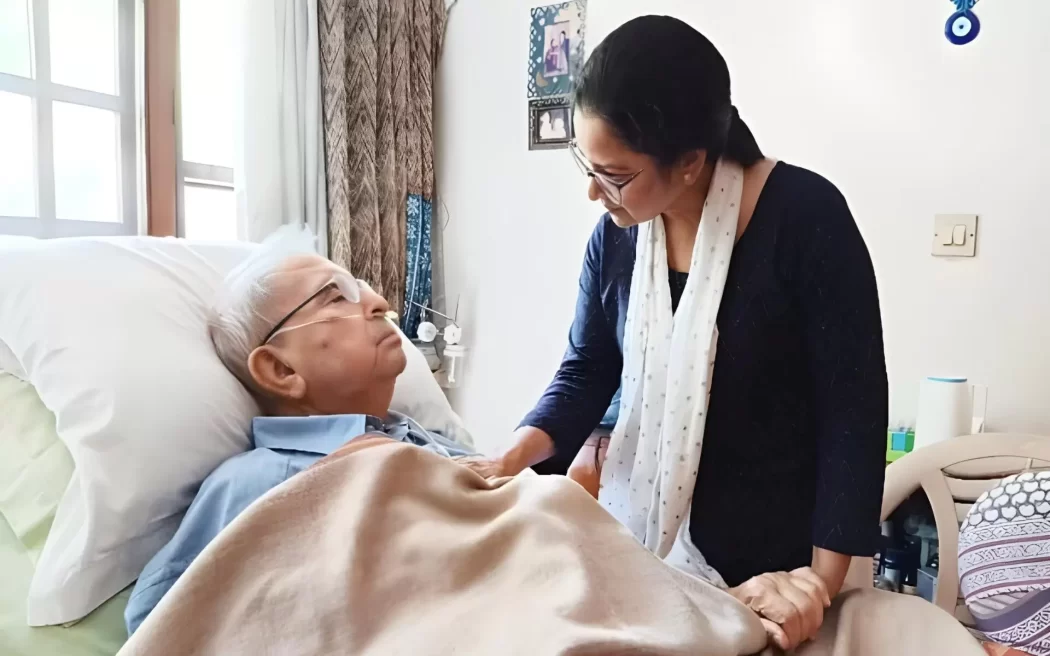
Family members are vital partners in the care continuum. They actively support the management process by:
- Monitoring symptoms and keeping accurate pain diaries.
- Promptly notifying healthcare providers of new or changing symptoms.
- Ensuring strict adherence to prescribed medication schedules.
- Providing emotional reassurance and a comforting presence.
- Assisting with daily mobility and household tasks.
- World Health Organization (WHO)
- National Cancer Institute (NCI)
The Benefits of Home-Based Palliative Care
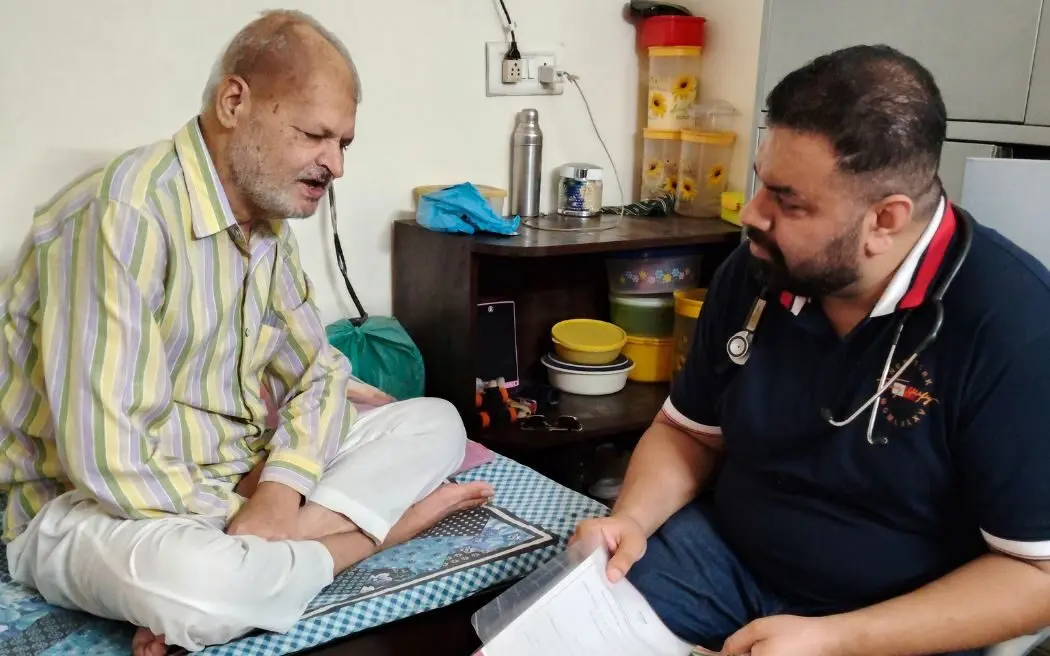
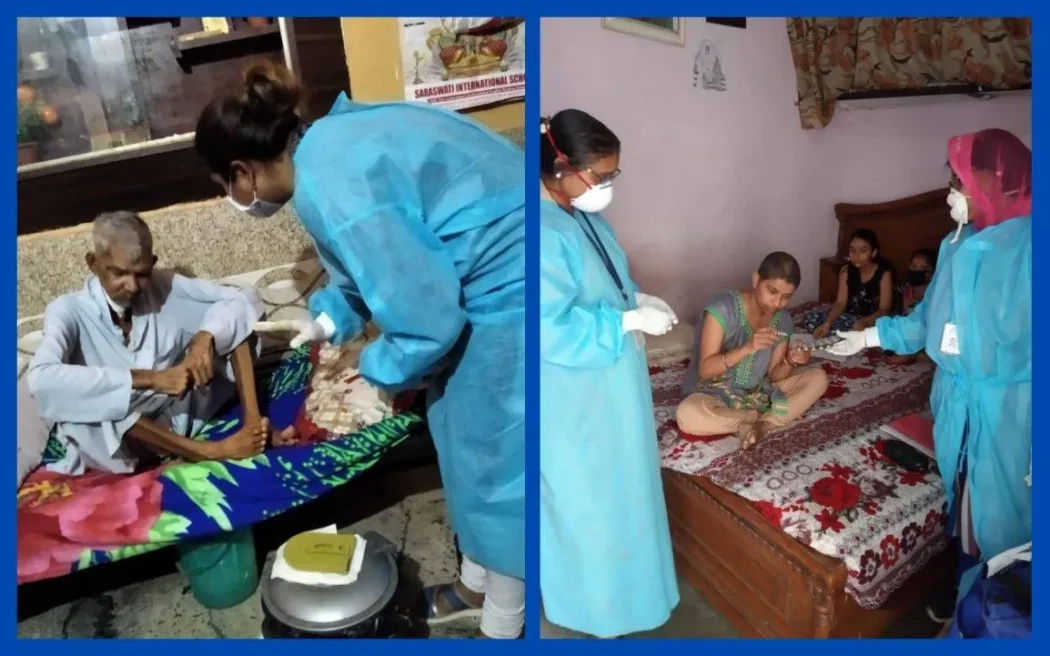
Many individuals experience greater comfort and peace of mind when cared for in familiar surroundings. Home-based pain management and palliative care services allow patients to receive professional clinical support without the stress of frequent hospitalizations.
Benefits of home care include:
- Highly individualized, one-on-one attention.
- Fewer stressful transitions and hospital readmissions.
- Enhanced emotional comfort from being near loved ones.
- Continuous, real-world monitoring of symptoms.
Dedicated organizations offering home-based care ensure that compassionate, professional relief is accessible right at the patient’s bedside.
Building Awareness and Looking Forward
Despite substantial medical advancements, a significant number of patients continue to live with under-treated pain. Raising public and professional awareness is crucial to:
- Encouraging early clinical intervention.
- Reducing the societal stigma surrounding potent pain medications.
- Improving overall clinical outcomes and survival quality.
- Supporting families in making highly informed healthcare choices.
The Landscape of Pain Relief in India
India has made noteworthy strides in improving access to palliative care and essential pain medications. However, significant gaps remain regarding public awareness, specialized medical training, and community-level infrastructure.
To build a more robust system, future efforts must focus on:
- Expanding regional access to specialized palliative clinics.
- Upgrading medical and nursing curricula to include mandatory pain management training.
- Conducting public campaigns to dispel myths around pain treatment.
- Seamlessly integrating palliative care into mainstream oncology services across all tiers of healthcare.
Prioritizing pain relief allows healthcare systems and communities to collectively reduce human suffering and transform the quality of life for cancer patients nationwide.
Educational Resources & Support
For further information on clinical guidelines, please consult:
- World Health Organization (WHO): Cancer Information Guidelines
- National Cancer Institute (NCI): Comprehensive Cancer Pain Management Guide
How You Can Support Compassionate Cancer Care
You can make a meaningful difference by supporting organizations dedicated to providing accessible, home-based palliative care and counseling services. Here is how you can help:
- Advocate: Support local awareness campaigns to educate communities.
- Volunteer: Gift your time to support patient care and community outreach.
- Educate: Distribute informative materials to those in need.
- Contribute: Fund critical programs that deliver free or subsidized care to vulnerable families.
Each step we take aids in the development of a healthcare system that is more understanding towards human suffering.
- Palliative Care Services: https://cansupport.org/services/home-care/
- Counseling Services: https://cansupport.org/services/counselling/
- Volunteer With Us: https://cansupport.org/volunteer/
- Donate Now: https://cansupport.org/donate/
What is the core difference between palliative care and hospice care?
Palliative care is available at any stage of a serious illness and can be delivered alongside curative treatments. Hospice care is a specific subset of palliative care explicitly reserved for patients approaching the final months of life when curative treatments have been discontinued.
How does palliative care optimize pain management?
It uses a tailored blend of medications (ranging from non-opioid to opioid analgesics), physical therapy, nerve blocks, and psychological support to target pain from multiple clinical angles.
Can a patient receive chemotherapy and palliative care at the same time?
Yes. Early integration of palliative care helps manage the side effects of chemotherapy, radiation, and surgery, which often allows patients to complete their planned oncology protocols more successfully.