

Every September, hospitals and patient groups around the world quietly make a point of talking about something that doesn’t usually come up otherwise: blood cancer. It’s a strange kind of invisibility. These cancers touch hundreds of thousands of lives a year, and yet you almost never hear about them the way you hear about breast cancer or lung cancer. In India, that silence costs something real. Blood cancers get caught late more often than they should, and honestly, a lot of it comes down to something almost boring—the early symptoms just look like being tired. Or run-down. Or fighting off one more cold than usual. Nothing that screams “go get tested.”
That’s really what this month is trying to change. So here’s what it actually is, what blood cancer covers, which signs are worth noticing, and what all of this is genuinely asking of the rest of us.
What Blood Cancer Awareness Month Actually Is
The tradition started with groups like the Leukemia & Lymphoma Society, and it’s since spread to hospitals and patient communities everywhere, India included. Every September, for one month, the conversation gets a little louder. The idea behind it isn’t complicated—blood cancers, taken together, are one of the biggest cancer categories there is, and most people still don’t know that.
So the month fills up with awareness drives, patients telling their own stories in their own words, fundraising, and—mostly—an attempt to get people to notice symptoms a little earlier than they otherwise would. Before “I’ve just been tired lately” turned into something that needed attention six months ago.
Okay, But What Is Blood Cancer, Exactly?
Here’s the thing people often don’t realize: it’s not one disease. It’s a group of them, all starting somewhere in the blood, the bone marrow, or the lymphatic system, all throwing off the body’s ability to make healthy blood cells the way it’s supposed to. Three types make up almost the whole picture.
Leukemia starts inside the bone marrow. It pushes the body to churn out abnormal white blood cells, and those cells crowd out the healthy red cells and platelets your body actually needs—which is why anemia, frequent infections, and unusual bruising tend to show up together. Of the three, leukemia is the one diagnosed most often in India, making up over half of all blood cancer cases here.
Lymphoma begins in the lymphatic system—the part of your immune system working quietly in the background most of your life. It splits into Hodgkin and non-Hodgkin lymphoma, with non-Hodgkin being the far more common of the two. And if you look at all blood cancers together, lymphoma is actually the single most diagnosed one in India—more than leukemia, more than myeloma.
Multiple myeloma shows up in the plasma cells of the bone marrow, the ones responsible for making the antibodies that fight off infection. It’s the least common of the three, but it comes with its own specific set of problems—bone pain, kidney involvement—that make it its own thing entirely.
Why This Particular Month Matters So Much Here
Over 100,000 new blood cancer cases get diagnosed in India every year. More than 70,000 people die from it annually. Sit with that for a second—that’s a far bigger story than its near-total absence from everyday conversation would suggest. A few things specific to India make that gap especially painful:
The symptoms hide well. Fatigue, a mild fever, catching one infection after another—most people push through all of it, blame the weather or stress or work, and move on. That’s often exactly how the disease slips past unnoticed for months.
Where you live matters more than it should. The specialists and specific blood tests needed to catch this early are clustered heavily in big cities. Families outside them are at a real disadvantage, and it’s not their fault.
And then there’s just plain unfamiliarity—a lot of misinformation, a lot of people who’ve simply never heard enough about blood cancer to connect the dots when it matters.
That’s the whole point of setting aside a month for it. Not to scare anyone. Just to make these signs familiar enough that someone, somewhere, notices a little sooner than they would have otherwise. And “a little sooner” actually changes outcomes here—across all three types.
Signs Worth Actually Paying Attention To
A few symptoms overlap across all three blood cancers, and they’re worth taking seriously if they hang around longer than two or three weeks instead of fading:
Fatigue that doesn’t lift no matter how much you sleep. A fever or night sweats with no clear cause. Infections that keep coming back like they’ve moved in. Bruising or bleeding that feels like way too much for whatever caused it. Swollen lymph nodes—neck, underarm, and groin. Weight loss you didn’t ask for. Bone or joint pain that just won’t explain itself.
Most of the time, none of this is blood cancer. Genuinely, most of the time. But when it lingers, when it doesn’t have an obvious reason behind it—that’s worth a doctor’s visit, not another week of waiting it out.
What Happens After Diagnosis
It usually starts small—a basic blood test—before moving into something more specific: a bone marrow exam, some imaging, or maybe a biopsy of a swollen lymph node, depending on what’s suspected. Treatment looks different depending on the type and how advanced it is, but outcomes really have come a long way over the past couple of decades. In India, five-year survival for Hodgkin lymphoma now sits around 83 to 84 percent. Non-Hodgkin lymphoma does well too, especially when it’s caught early. And beyond the medical side of it, managing symptoms, eating well, having actual emotional support around you—none of that is a side note. It’s part of how someone gets through this.
What You Can Actually Do This September
This month isn’t only for hospitals and researchers. There’s a real place in it for the rest of us.
Learn what the symptoms actually look like, and mention them to people around you—especially older relatives, who are often the first to wave off fatigue or bruising as nothing. Nudge someone toward a check-up if something’s lingered too long. Support the people doing the daily work of this, whether that’s volunteering, sharing accurate information instead of forwarding whatever showed up on WhatsApp, or backing programs that stand with patients through diagnosis and treatment. And just talk about it. Blood cancer, like most cancers in India, still carries a weight of silence that makes it harder to bring up—and that silence is exactly what slows everything down.
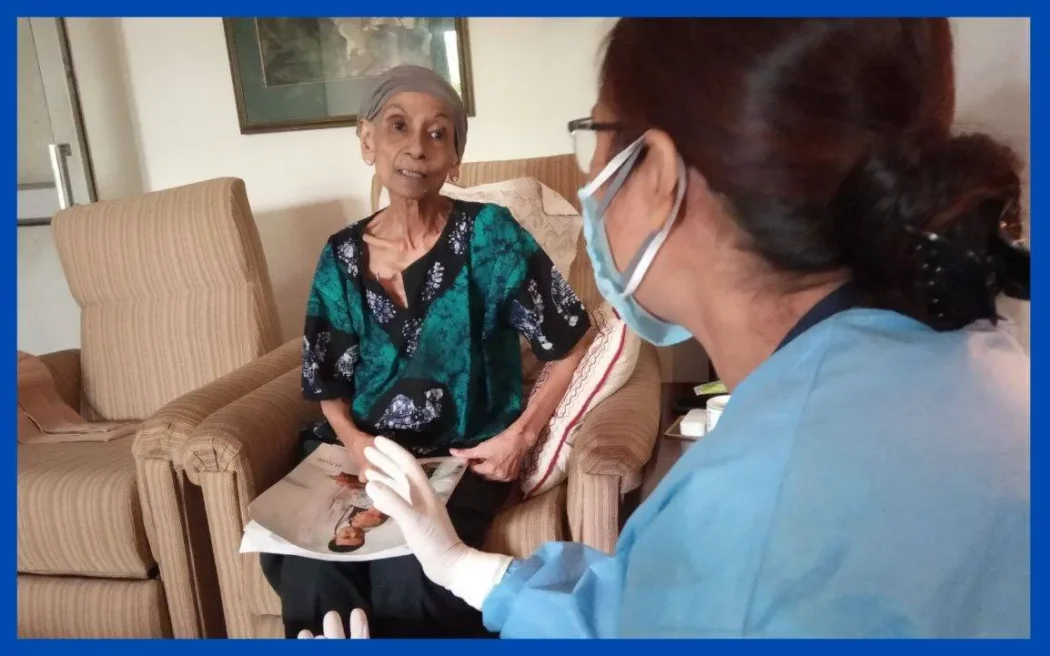
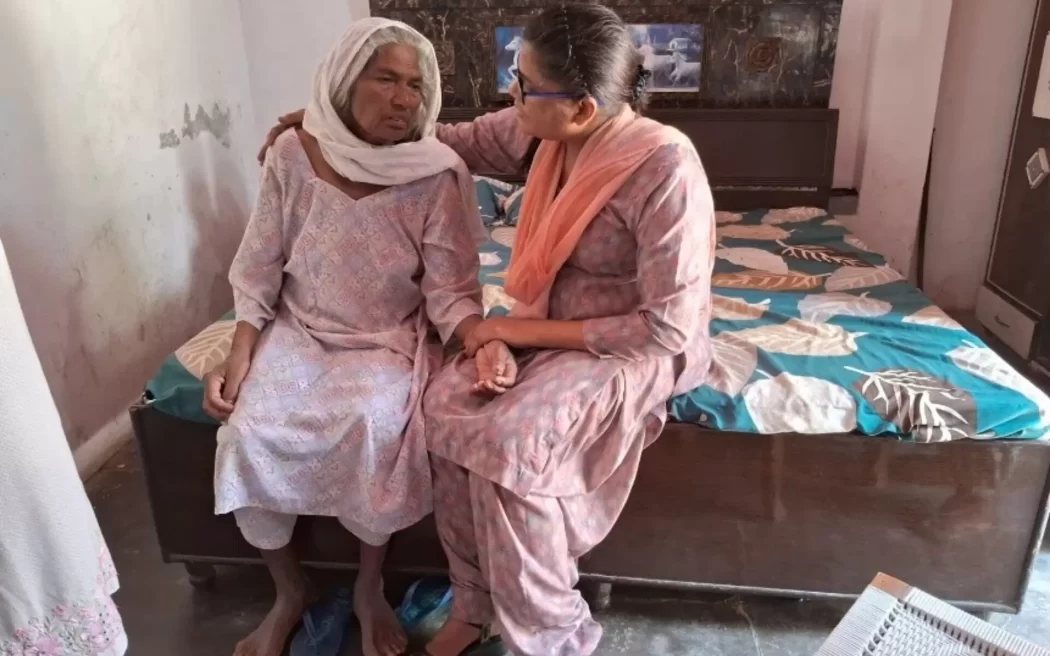
At CanSupport, our home-based palliative care teams support cancer patients across Delhi NCR, including people living with blood cancers—pain management, nursing guidance, emotional support, all of it running alongside whatever hospital treatment a family is already managing.
If you or someone you love is navigating a blood cancer diagnosis in Delhi NCR and needs support with pain management or day-to-day care, CanSupport’s helpline is open Monday to Saturday, 9:00 am to 6:00 pm—+91 11 4101 0539.
When is Blood Cancer Awareness Month observed?
Every September, both globally and in India, to raise awareness of leukemia, lymphoma, and multiple myeloma.
What are the three main types of blood cancer?
Leukemia, lymphoma, and multiple myeloma. Leukemia affects white blood cell production in the bone marrow, lymphoma starts in the lymphatic system, and multiple myeloma affects plasma cells in the bone marrow.
Which blood cancer is most common in India?
Lymphoma is the most frequently diagnosed blood cancer overall in India, though leukemia is the single most common individual type, making up over half of all cases.
What are the early warning signs of blood cancer?
Persistent fatigue, unexplained fever or night sweats, frequent infections, unusual bruising or bleeding, swollen lymph nodes, unexplained weight loss, and bone or joint pain with no clear cause—worth attention if they stick around.
How is blood cancer diagnosed?
Usually starting with blood tests, then moving to more specific checks like a bone marrow examination, imaging, or a lymph node biopsy, depending on what’s suspected.