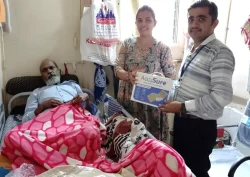


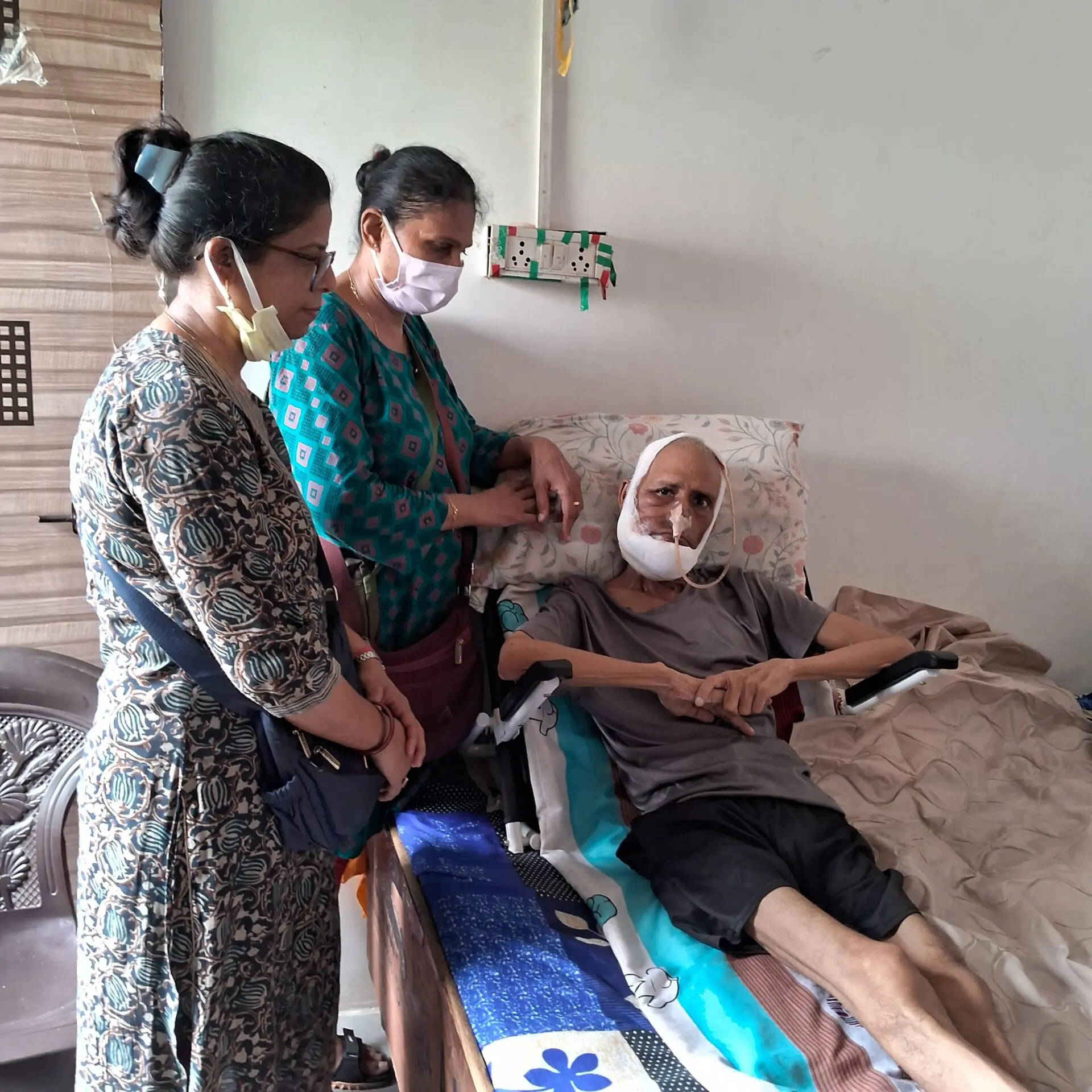
At 79 years old, a retired conductor with Maharashtra State Road Transport Corporation, who spent his life navigating the roads and advocating for his peers through union activities found himself facing a different kind of journey. Diagnosed with carcinoma of the tongue a year and a half ago, he underwent curative treatment that spared him the rigors of chemotherapy and radiation. However, the legacy of the illness left him with a persistent, sharp pain on the right side of his tongue. It was a cruel irony for a man whose life has been defined by communication and social connection. Living in a modest household with his wife as his sole companion and primary caregiver, he manages his health alongside a pre-existing condition of asthma, balancing the complexities of two respiratory and oral challenges with a quiet, disciplined dignity rooted in his upper-lower class background.
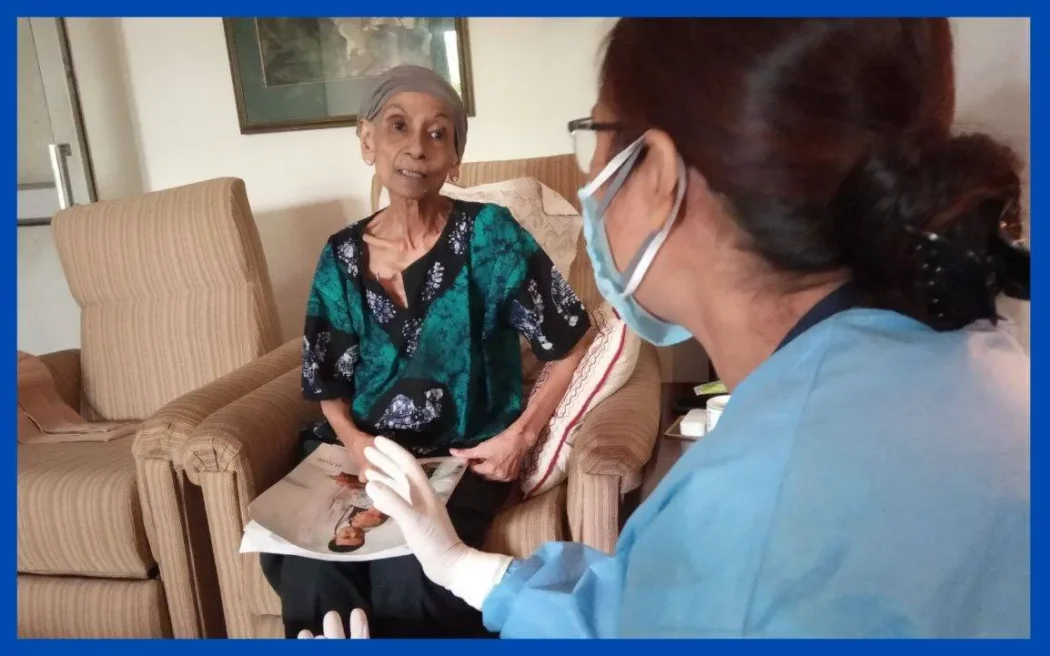
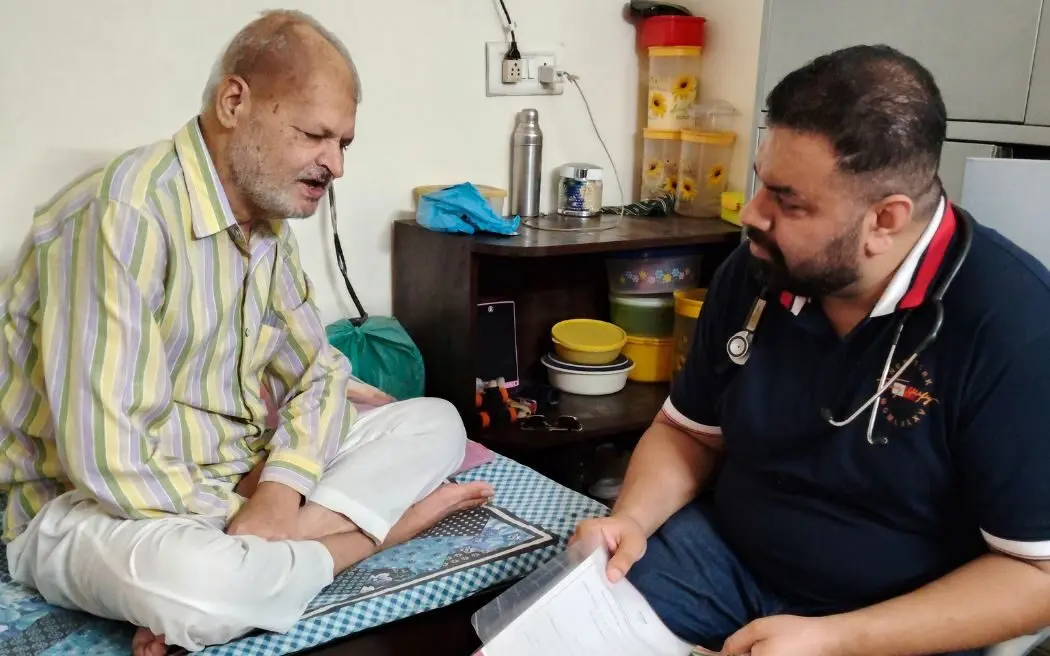
The intervention of the CanSupport team was designed to mirror the patient’s own structured approach to life. The doctor meticulously reviewed his medical history, ensuring that his pain management plan remained effective while carefully monitoring his asthma. By reinforcing the prescribed morphine regimen, the medical team provided the stability needed to keep his pain manageable, allowing him to remain the articulate and communicative person he has always been. This clinical guidance went beyond the immediate cancer diagnosis, offering a holistic view of his health that emphasized the vital importance of reporting new symptoms early to ensure his quality of life remains uncompromised.
The nursing team focused on the practicalities of daily living, which can often be the most difficult hurdle for those with tongue discomfort. Beyond monitoring his general vitals and medication adherence, the nurse provided essential education on oral hygiene and nutritional maintenance. This specialized guidance ensured that the simple act of eating did not become a source of further distress. By empowering his wife with the knowledge to monitor his symptoms effectively, the nursing intervention turned a two-person household into a capable care unit, reinforcing the “practical support” that is the backbone of home-based palliative care.
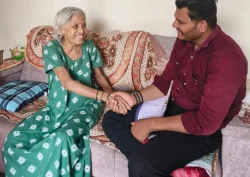
Recognizing that the patient’s spirit remained tied to his former colleagues and union activities, the counselor’s intervention focused on preserving his social identity. Despite a mild distress score, the team provided a space for active listening, encouraging him to voice the frustrations that come with chronic pain. By validating his feelings and reassuring him of the team’s constant presence, the counseling support helped him maintain his emotional well-being. He was encouraged to stay active in his union circles, ensuring that while his body might be slowed by age and illness, his mind and heart remain firmly connected to the community he served for decades. Through this combined care, he continues to face his prognosis with an informed mind and a supported spirit.