

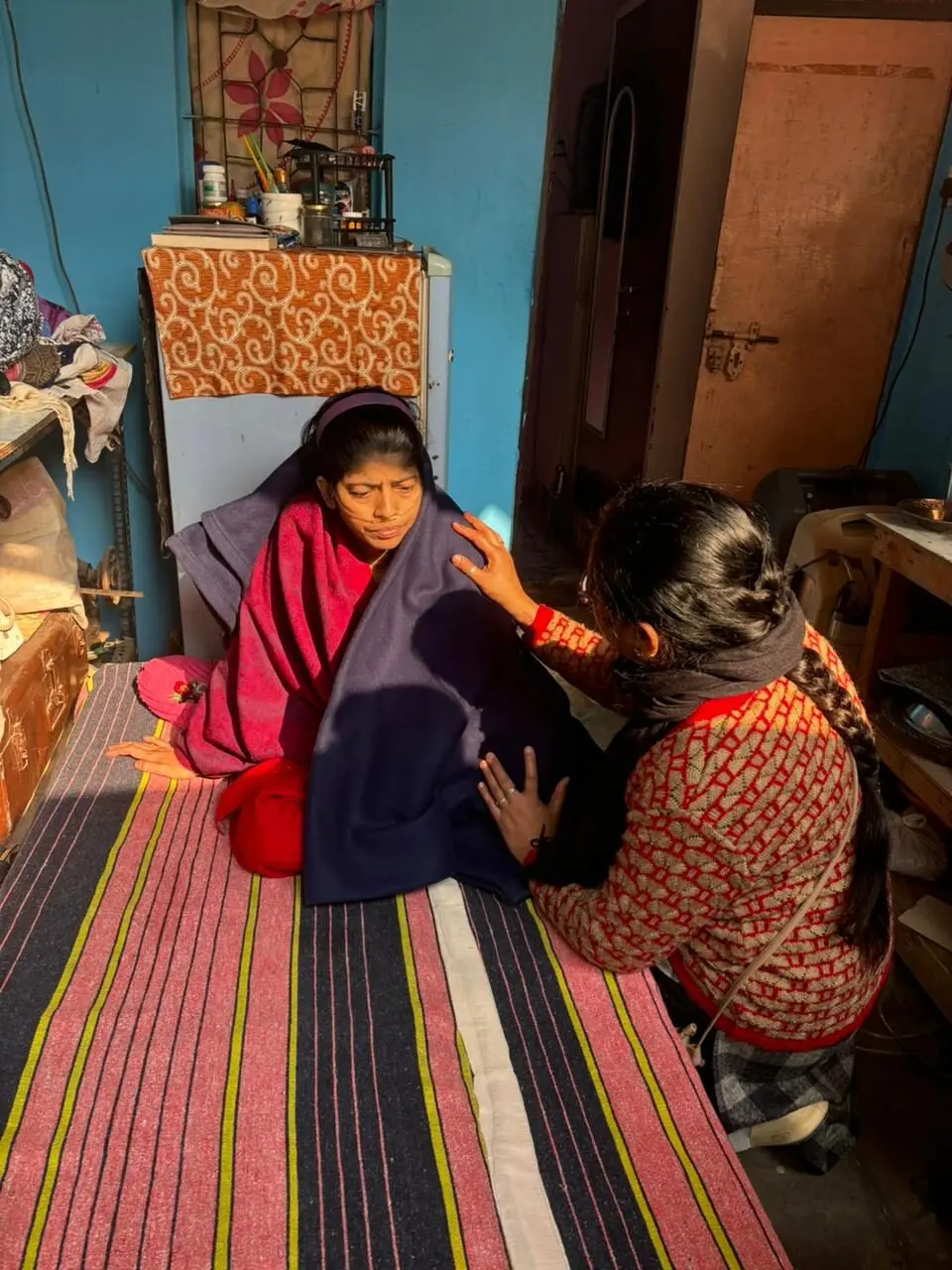
At 39 years old, Sosanti Kuzur found herself trapped in a storm of physical agony and overwhelming confusion. Diagnosed with third-stage ovarian cancer, she was undergoing treatment at AIIMS, but the clinical setting could not address the mounting terror she felt within the walls of her own home. When the CanSupport team first visited Sosanti, they found a woman paralyzed by uncertainty. She was unaware of the true nature of her illness, living in a state of constant fear, and enduring severe physical pain that made daily existence a burden. Coming from a modest socio-economic background, the weight of her diagnosis was compounded by the silence surrounding it; she knew something was deeply wrong, but she didn’t know what, why, or what the future held.
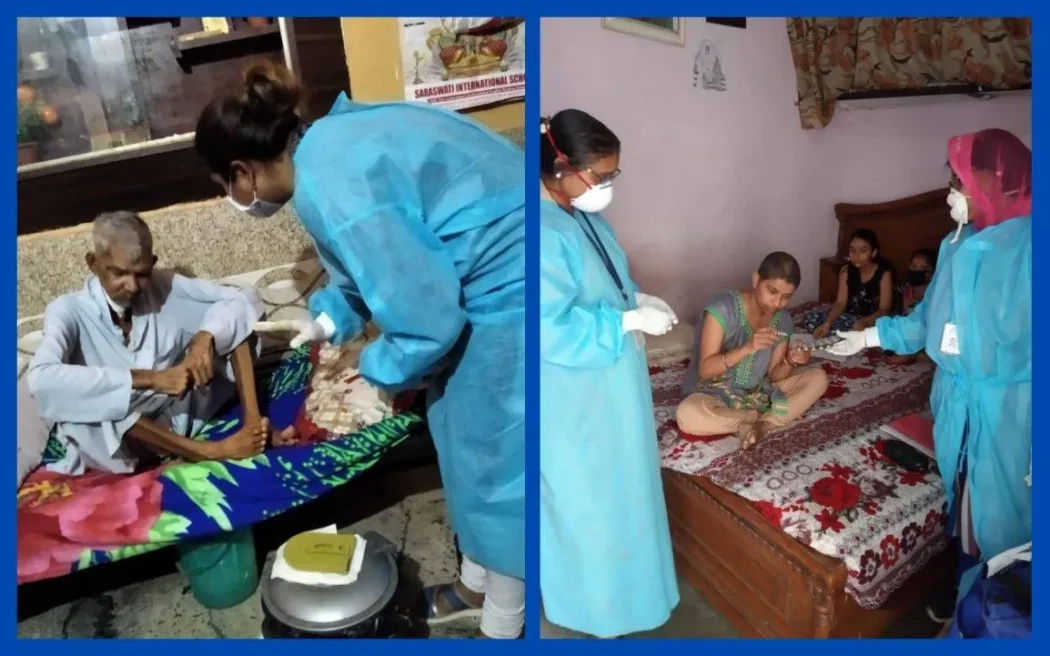
The intervention by the CanSupport home-care team began by addressing the most immediate barrier to her well-being: the excruciating physical pain. By stabilizing her symptoms and managing her medication, the team allowed Sosanti to find the physical breath she needed to face the emotional journey ahead. Recognizing that her nervousness stemmed from a lack of information, the team moved forward with the delicate process of “breaking the bad news.” With compassion and professional guidance, they helped her understand her diagnosis, gently clearing the fog of uncertainty. This transition from fear of the unknown to an informed acceptance of her illness was the turning point in her recovery, providing her with the mental stability to manage her health proactively.
Beyond the medical support, the team explored the complex psychosocial issues that had left Sosanti feeling isolated. By providing a safe space for her to express her anxieties and offering consistent emotional support, the team helped her move from a state of crisis to a state of complete stability. The transformation was profound; the once-nervous patient who was afraid of her own symptoms began to reclaim her life with a newfound sense of happiness. The acceptance of her condition didn’t weaken her; rather, it empowered her to return to the world and her community with dignity and strength.
Today, Sosanti is a testament to the power of holistic palliative care. She has returned to her profession as a domestic cook, working alongside her husband who also serves as a cook in a separate household. The agonizing pain and crippling uncertainty that once defined her days have been replaced by a quiet confidence and a deep sense of gratitude. Sosanti frequently shares that she has improved immeasurably since the CanSupport team entered her life, asserting that she feels completely fine and stable. Her story serves as a powerful reminder that while medicine treats the disease, it is compassion, transparency, and emotional support that truly heal the person.