

At fifty-nine years old, a woman already managing the daily complexities of diabetes was struck by a far more daunting challenge: carcinoma of the gallbladder with involvement of the common bile duct. Her medical journey became a labyrinth of intensive procedures, including stenting and complex gastrointestinal surgeries. While her surgical wounds began to heal, the road ahead remained steep as she prepared for chemotherapy under oncologist care. Coming from a lower-middle socioeconomic background with an unstable financial situation, the family found themselves in a precarious position. In an attempt to protect her, they chose to withhold the full gravity of her prognosis, creating a delicate emotional atmosphere within a home already strained by the looming shadow of illness and debt.
When the CanSupport palliative care team first entered her home, they found a patient burdened by postoperative pain, abdominal discomfort, and the intricate difficulty of stabilizing her blood sugar after major surgery. Her anxiety was palpable, fueled by the fear of upcoming chemotherapy and the crushing reality of the family’s financial instability. The team’s initial mission was to build a bridge of trust. Through consistent home visits, they established a deep rapport, meticulously explaining the treatment plan and providing the emotional reassurance she so desperately needed. As her fears were validated and addressed through counseling, she began to accept a structured pain management strategy, which finally allowed her body to find a measure of rest and relief.
As the disease progressed, a new crisis emerged: the combination of gastrointestinal surgery and chemotherapy side effects made oral intake nearly impossible. Severe nutritional challenges threatened to weaken her further, yet both the patient and her family were initially reluctant to accept aggressive nutritional interventions. It was here that the team’s patience became as vital as their medical expertise. Through detailed counseling, they illustrated the critical link between nutritional therapy and diabetes control, involving the family in every decision. This collaborative approach eventually led to a breakthrough, with the patient agreeing to necessary dietary modifications and optimized glucose monitoring, providing her body with the fuel needed to continue her fight.
The holistic intervention provided by CanSupport became a lifeline that extended far beyond clinical care. Recognizing the family’s dire financial straits, the organization stepped in to provide financial assistance for consultations and arranged for free medications and regular nursing support. This alleviated the “financial toxicity” that often paralyzes families, allowing them to focus entirely on caregiving. Continuous counseling helped the patient navigate her emotional distress, eventually allowing her to face her condition with a profound sense of dignity. By guiding the family in home-care techniques, the team transformed their fear into confidence, ensuring that the patient remained comfortable and loved in her own environment. This journey stands as a powerful testament to how timely palliative care can turn a time of overwhelming burden into a period of supported, dignified living.
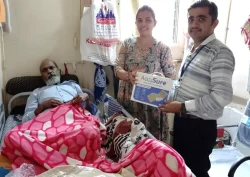
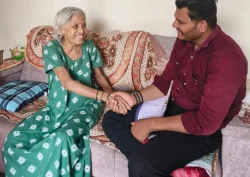
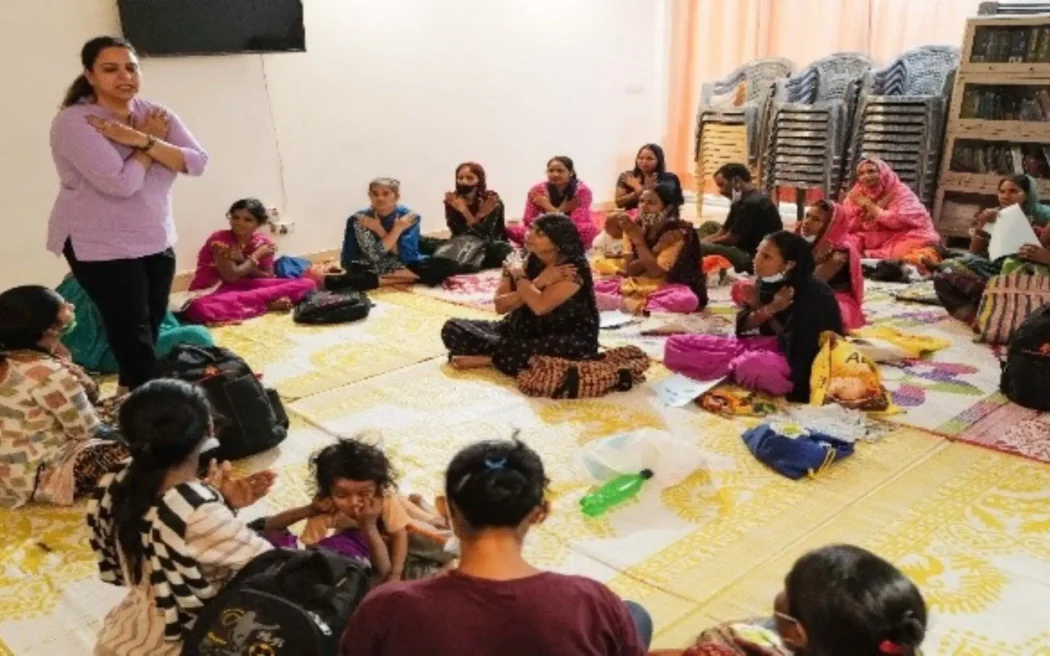
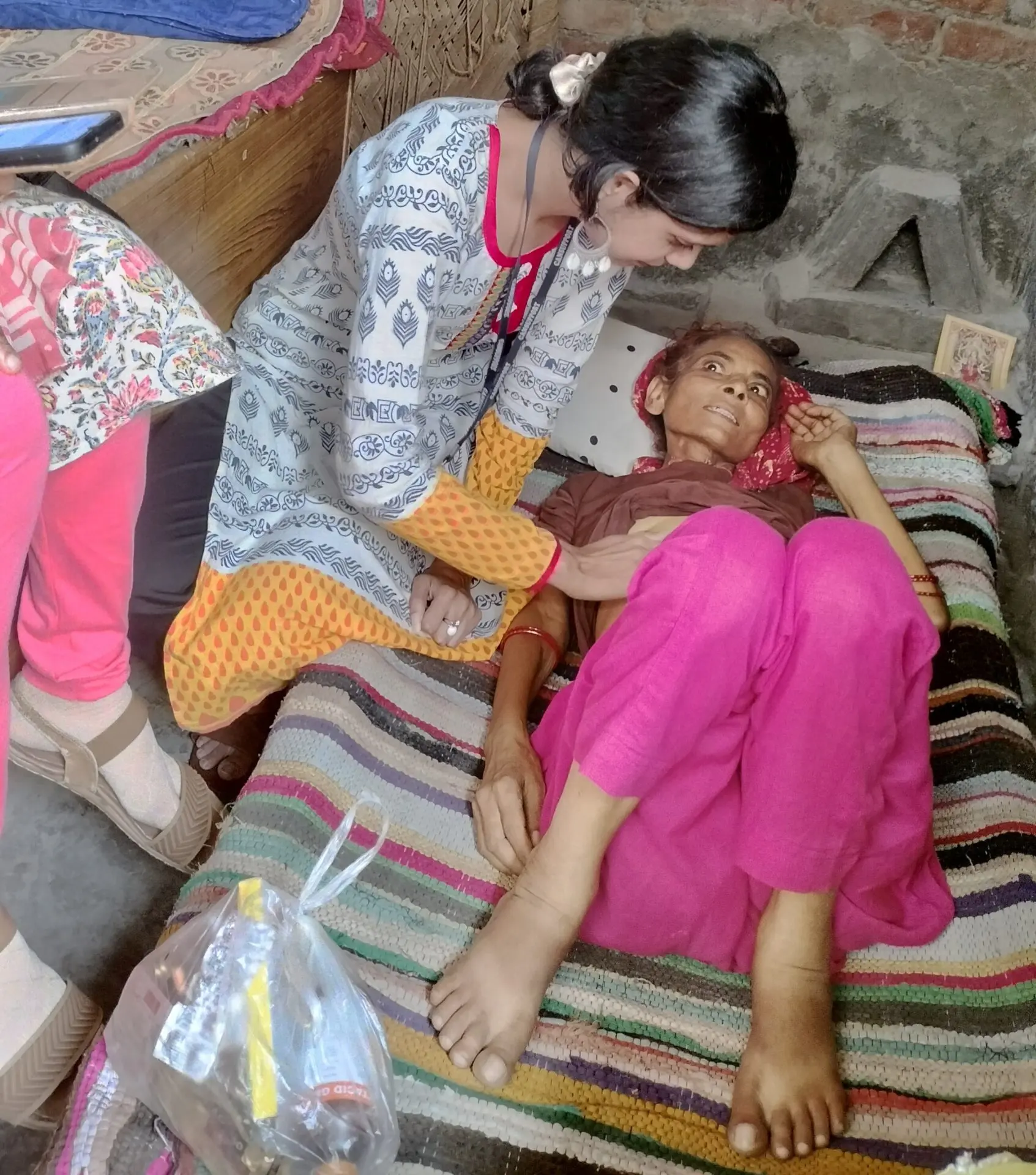
(Picture in display is representation of CanSupport Home care Services)
To protect the privacy of the patient and the family, the name/s in the story have been changed. There are many people who need palliative care but they don’t know where to go. While CanSupport is doing its best the reach out to people informing them about their services, we request you to spread the word.
Share our Helpline Number +91 11 4101 0539 / +91 98990 11212 (Mon to Sat 9 am to 6 pm) with all the needy people. Though all CanSupport services are free of charge for patients, the cost of reaching out to patients and caring for them cost ₹1,350 per visit per patient.
If you would like to support our cause, please donate at https://cansupport.org/donations/home-based-palliative-care/.